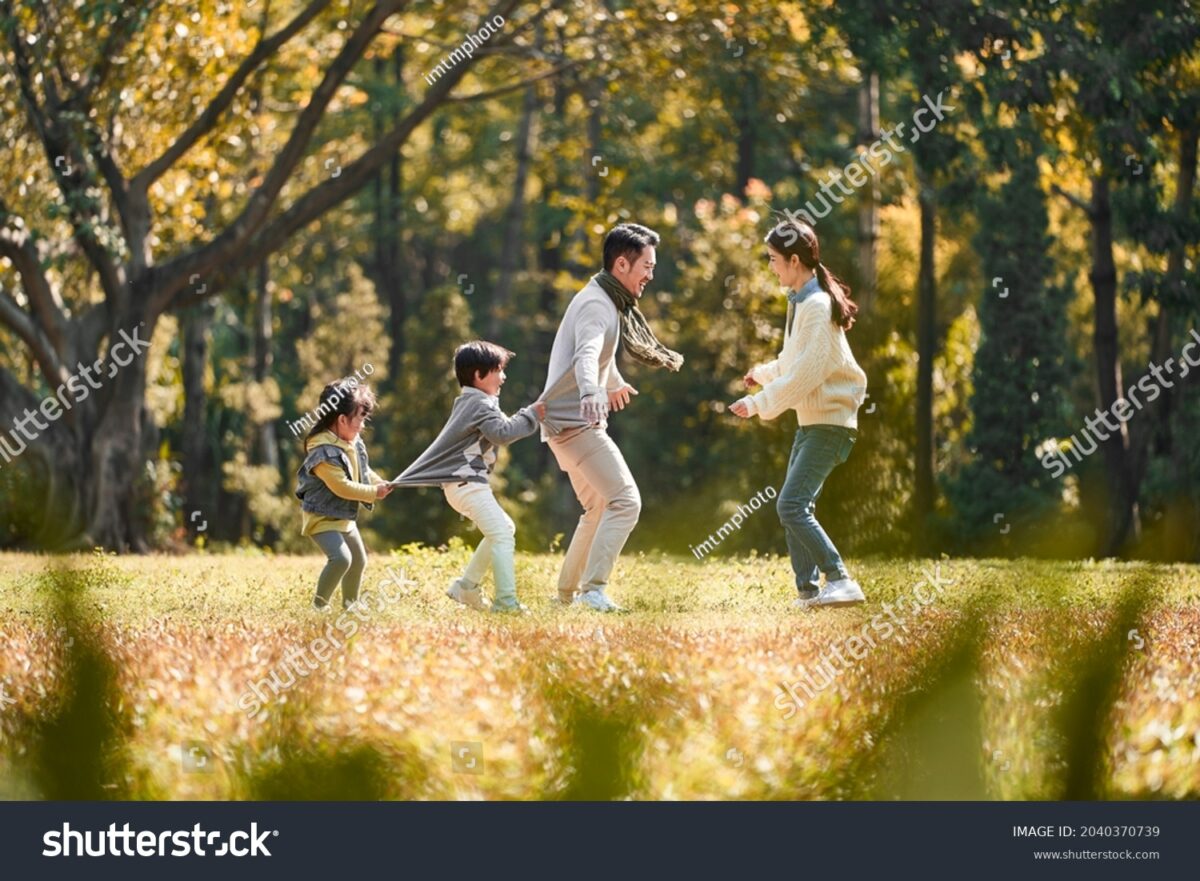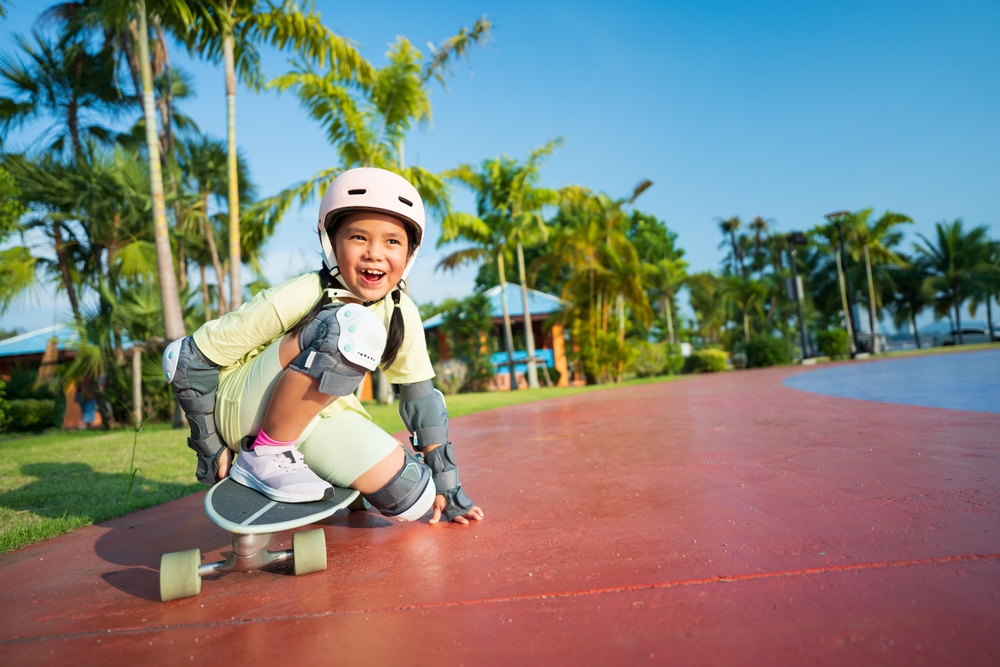
Smart learning depends on exercise

Written by: Ms. Fung Chi Hei, Game
Therapist, Lok Sin Tong Leung Kau Kui Primary School


I previously participated in a

professional exchange activity for teachers in Taiwan and was impressed by the
emphasis on using exercise to cultivate children’s growth in the Taiwanese
education system. This experience provided new inspiration, which I hope to
share with parents. One of the schools visited during the exchange can be
described as the elementary school version of a sports academy. Upon entering
the school, the students welcomed the visitors with a government-promoted
fitness routine. They performed various warm-up exercises in unison, exuding a
lively spirit akin to tiger cubs, making me feel like they had truly entered a
forest full of tiger cubs.

Exercise Strengthens Children’s
Learning Abilities


Principal Liu of the Tiger Forest
Elementary School stated that the school is a key focus school designated by
the government, with a special emphasis on students’ physical development. The
school believes that exercise can strengthen students’ learning abilities. They
have adopted the “Anytime Exercise” program based on the research of
John J. Ratey, MD, a clinical assistant professor of psychiatry at Harvard
Medical School. This program advocates for students to be engaged in exercise
at all times, hence the name “Anytime.” During breaks, students would
run to any part of the playground to exercise, some playing dodgeball, some
climbing the monkey bars, and others playing badminton. All students enjoy
every moment of exercise.


The Benefits of Exercise: Strengthening Brain Function

It is well known that exercise has the effect of strengthening the body, and in Ratey’s research, he pointed out more about the benefits of exercise on the brain. He described the brain as the center for processing information, transmitting messages through different pathways using various transmitters (chemicals). During exercise, the brain can effectively produce more transmitters and strengthen pathways, allowing messages to be transmitted faster and more accurately.

Applying this theory to learning, students can enhance their brain function through exercise, thereby improving their learning effectiveness. Research has confirmed that exercise can improve students’ concentration and memory, both of which are essential for successful learning. Furthermore, exercise can stimulate the brain to produce dopamine (a chemical that brings happiness), enabling students to learn joyfully, which naturally leads to better academic performance.

How to Make Children Love Exercise?

For children to enjoy the time and benefits of exercise, parents must help them develop a love for exercise. Here are three suggestions:

1.        Anytime Exercise

Provide children with more opportunities for exercise, suitable time, tools, and space, while ensuring the safety of the environment.

2.        Healthy Exercise

Teach children to exercise for the sake of their health and emphasize the benefits of exercise on health.

3.        Exercising Together

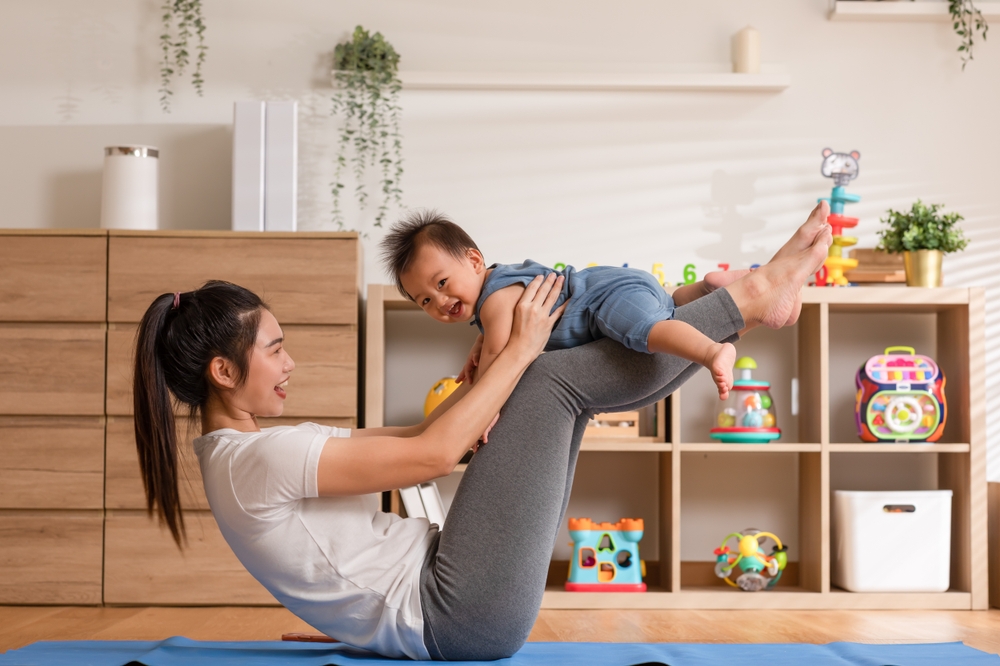
Exercise with children more often, enjoy the moments of exercise and savor the wonderful time with family.

Parents Daily 為全港父母提供關於親子育兒、升學的豐富短片和內容,專輯內容包括「有星有Say」、「校長有話兒」等節目。我們以輕鬆活潑的方式為父母們提供培養孩子的資訊,更會邀請幼小校長、名人、資深教育工作者等分享教學、親子心得和實戰經驗,讓父母可以在這裡得到實用資訊之餘,更可認識更多互相分享、互相扶持的同行者。
How to reduce the side effects of rewards?

Written by: Pang Chi Wah, Registered
Educational Psychologist at the New Horizons Development Centre


Some parents have the following thoughts about rewards: “The original intention was to praise the child’s good performance, but now the reward seems to have become a bribe.” “He has become utilitarian, calculating the degree of his effort based on the size of the reward.” “Sometimes I even feel that the child has become greedy. The rewards that once attracted him no longer have the original effect. Only by providing richer rewards is he willing to make an effort.”

In fact, in the commercial society where adults are located, bosses also use rewards and bonuses to praise employees’ outstanding work performance and inspire employee morale. Many early childhood education experts have also proposed a reward system, using children’s favorite food, toys, etc., to train and cultivate their good behavior habits. Rewards have become our usual way, but parents’ worries are not unfounded. How can we reduce the side effects of rewards?


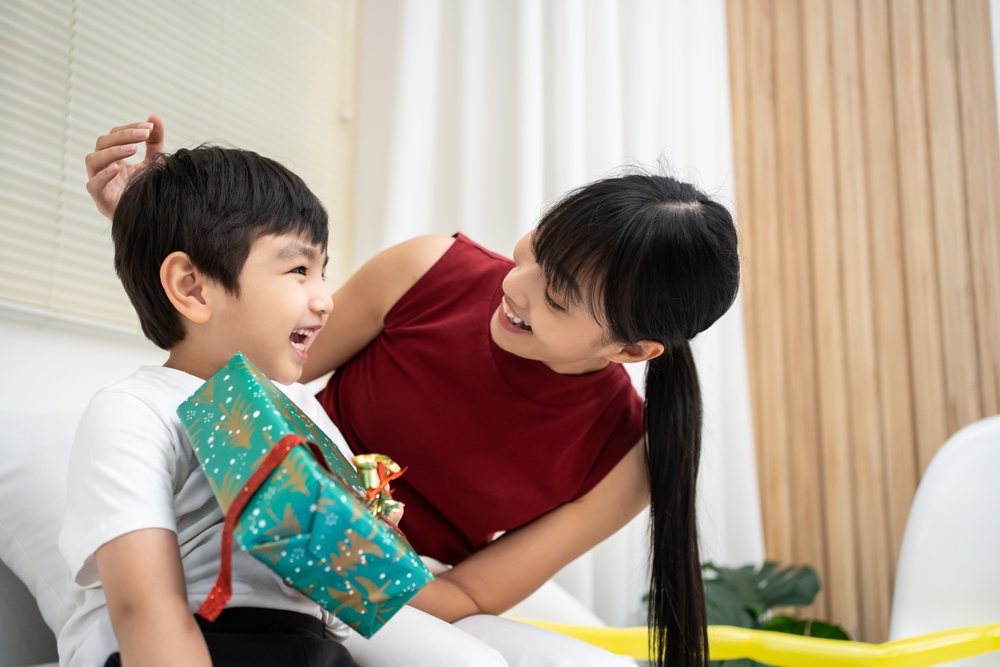
There are mainly two directions to reduce the side effects of rewards. One is that parents can change the type of rewards, and at the same time, they must not encourage children with money, otherwise it will make children prioritize money and everything will be based on materialism. The rewards given by parents can be changed from one-time enjoyment such as food, gradually transformed into long-term gifts, such as entertaining toys, academic stationery, etc., and later can be rewarded spiritually, such as parents giving certificates, applause and other non-material encouragement.


The second approach is that parents can gradually reduce the proportion of rewards given according to the following three criteria:

1.        Increase the number of expected behaviors completed by the child before giving a reward.

Example: If parents expect the child to put the toys away in the toy box after playing, initially, parents may need to give stickers as encouragement for the child to be willing to tidy up the toys; afterwards, the child should put the toys in the toy box several times on their own before the parents give sticker rewards.

2.        Raise the standard of requirements according to the child’s performance, and only give rewards after the child completes behaviors of higher difficulty.

Example: Initially, as long as the child puts all the toys in the box, they can be given sticker encouragement. Then the requirements can be raised, the child needs to put all the toys in the box, and carefully organize the toys and place them properly to get the sticker.

3.        When the child is relaxed and happy or makes a request, parents can make demands on the child without providing rewards.

Example: The child requests to watch their favorite TV show, the parent proposes that the child needs to tidy up the toys into the toy box before they can watch TV. 

Through these two principles, parents can systematically dilute the function of external material rewards, let children internalize the motivation behind completing good behaviors, gradually reduce dependence on external encouragement, and make them gain a sense of success from within as the main source of their learning motivation.

Parents Daily 為全港父母提供關於親子育兒、升學的豐富短片和內容,專輯內容包括「有星有Say」、「校長有話兒」等節目。我們以輕鬆活潑的方式為父母們提供培養孩子的資訊,更會邀請幼小校長、名人、資深教育工作者等分享教學、親子心得和實戰經驗,讓父母可以在這裡得到實用資訊之餘,更可認識更多互相分享、互相扶持的同行者。

Why do children engage in challenging behaviors that challenge parents?

Written by: Child Psychological
Development Association
Psychological
Counselor, Mr. Ching Wai Keung


“Is your child deliberately engaging in behavior that challenges your limits?”

“Does your child’s behavior completely contradict your wishes?”

“No matter how you punish your child, it seems like they become more defiant!”

Do these scenarios sound familiar to you? Many times, parents worry incessantly about their child’s behavior. However, behind the child’s behavior, there may be different emotions. For example, a child might intentionally exhibit rebellious behavior due to a desire for attention or rivalry for affection. In such cases, punishing the child may result in them becoming even more disobedient.

Renowned American emotion psychologist Plutchik pointed out that we have eight basic emotions (Plutchik, 1993), including acceptance, anticipation, disgust, anger, sadness, fear, joy, and surprise. These emotions manifest in an “Emotion Chain,” which includes stimuli, thoughts, emotions, behavior, and outcomes.


For instance, when an older brother sees his mom taking care of his younger sister (stimulus), he may think that his mom now only loves his sister and ignores him (thoughts). This could lead to emotions like sadness and anger (emotions). As a result, he may intentionally misbehave (behavior). The outcome is that the mom puts down the sister in the crib and then deals with the older brother (outcome). In the older brother’s eyes, his mom finally put down his sister, achieving the desired outcome through his behavior.


Young children may not necessarily express their thoughts through language, making it challenging for parents to understand the reasons behind their behavior. However, by soothing the child’s emotions and paying attention to patterns in their behavior, we can improve their conduct.

For example, if an older brother consistently exhibits inappropriate behavior whenever he sees his mom taking care of his younger sister, it can be inferred that he is seeking his mother’s love. In response, the mom can balance one-on-one time with both the older brother and younger sister, allowing him to feel that his mother loves him too. She can also invite him to participate in caring for the younger sister. If inappropriate behavior arises when attention is lacking, it may be a skill to attract parental attention. In such cases, parents can offer attention before inappropriate behavior occurs and deliberately ignore the behavior when it does, helping the child understand that misbehavior does not garner attention.

Understanding the reasons behind a child’s behavior is immensely helpful in improving inappropriate conduct. If you’d like to know more, feel free to contact us.

Parents Daily 為全港父母提供關於親子育兒、升學的豐富短片和內容,專輯內容包括「有星有Say」、「校長有話兒」等節目。我們以輕鬆活潑的方式為父母們提供培養孩子的資訊,更會邀請幼小校長、名人、資深教育工作者等分享教學、親子心得和實戰經驗,讓父母可以在這裡得到實用資訊之餘,更可認識更多互相分享、互相扶持的同行者。
Why are children self-centered?

Written by: Pang Chi Wah, Registered
Educational Psychologist, New Horizons Development Center


Nowadays, many couples choose not to have children after marriage or opt to raise only one child. They feel that the task of parenting is extremely challenging. The personalities of modern children tend to be more self-centered. Is this due to issues with the parents’ innate genetic factors, or are there problems in the parents’ postnatal upbringing?

Psychologist Alfred Adler once pointed out how birth order influences a person’s psychological traits. He mentioned that only children, due to the lack of competition among siblings, tend to develop a self-centered personality, making it difficult for them to interact with peers in the future.


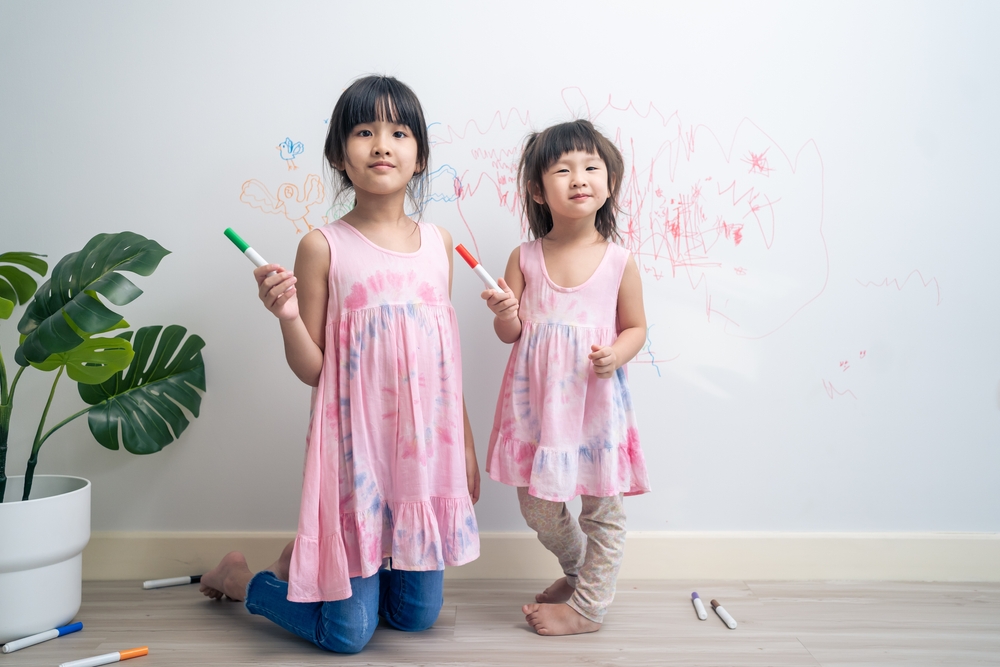
From birth, only children become the center of the family. Their loved ones take care of them meticulously, revolving everything around them. Growing up in an environment filled with love, they rarely experience sharing or conflicts with others. Over time, the self-centered behavior of children may develop due to being excessively indulged, making it challenging for them to get along with others.


If families of this kind invest all their resources in their only child, treating them as a precious gem and complying with their every command, these children may never experience “loss or rejection” from an early age. They may believe that everything should come easily, intensifying their self-centered behavior.

On the other hand, to meet the educational needs of today’s students and some parental demands, schools have abandoned the teacher-centered approach in favor of Western advanced educational philosophies. They often advocate slogans centered around students. Teachers need to prioritize students’ interests and needs, designing curricula around them. If educators fail to strike a balance, the school environment may also contribute to the development of children’s self-centeredness.

In the past, schools used societal standards as the center of instruction, hoping students would graduate to conform to cultural norms. In contrast, today’s education, focusing on students, both at home and in school, has accustomed children to living in a happy environment. They may not necessarily learn to look ahead to the future but rather prefer living in their world.


Furthermore, the continuous advancement of technology is believed to be another factor making children more self-centered. In the past, whether at school or in extracurricular activities, children would engage in group games with peers. Now, in their leisure time, due to a lack of playmates and the prevalence of commercial electronic toys, children conveniently satisfy their psychological needs through these devices without the need for peer interaction.

As they reach adulthood, they are more inclined to pass their time with online games. These impersonal forms of entertainment prioritize individual satisfaction over interpersonal communication. Children growing up without proper emotional education find it easy to imagine that this long-established habit makes them unwilling to step out of their worlds, making it difficult to establish relationships with others.

Faced with this situation, educators and parents need to address it from various perspectives. For example: parenting methods should be coordinated, schools and parents should collaborate on discipline, and society as a whole should reflect on the values of cultural education. Only through these efforts can we effectively reduce the growing self-centeredness in children.


Parents Daily 為全港父母提供關於親子育兒、升學的豐富短片和內容,專輯內容包括「有星有Say」、「校長有話兒」等節目。我們以輕鬆活潑的方式為父母們提供培養孩子的資訊,更會邀請幼小校長、名人、資深教育工作者等分享教學、親子心得和實戰經驗,讓父母可以在這裡得到實用資訊之餘,更可認識更多互相分享、互相扶持的同行者。

Reject the Busyness: Build Parent-Child Relationships Every Day

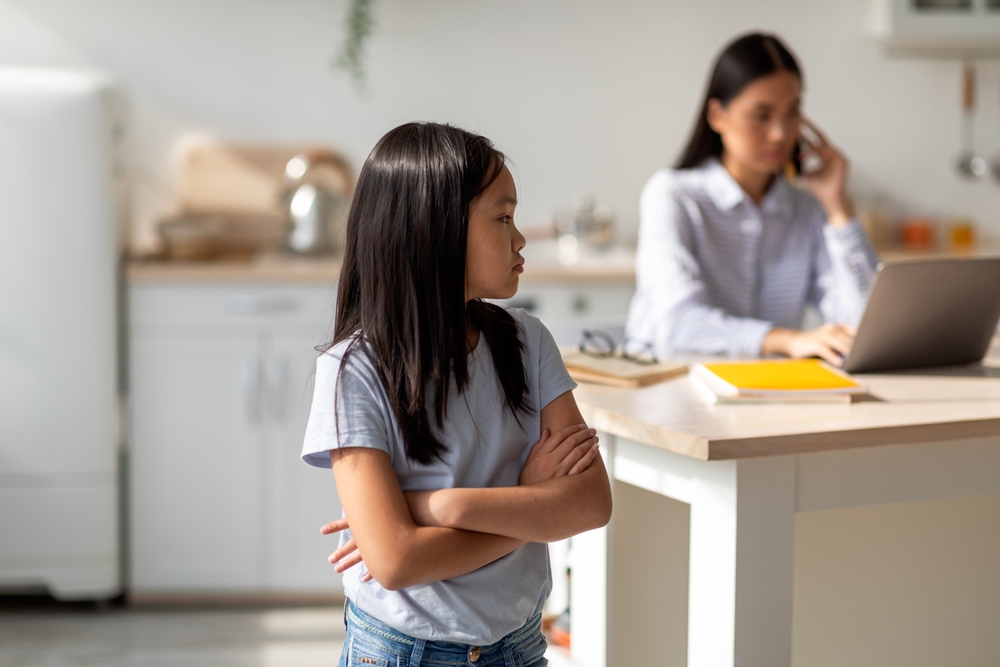
Whether parents are working or full-time homemakers, they are busy every day with work, household chores, and taking care of their children. After school, children are also busy with homework, tutoring, and reviewing for exams. Leisure time is limited, and bedtime comes early. Dr. Wong Chung Hin, a specialist in psychiatry, points out, “Parents and students in Hong Kong are very busy, but we need to learn to ‘preprocess’ emotions or stress before they erupt, and establish a

good parent-child relationship. Parents should set aside dedicated parent-child time every day to communicate with their children. Parents should also take
care of their own emotions, which will help their children express their inner feelings.

In the midst of busy daily life, parents need to take good care of themselves first in order to better care for their children. Dr. Wong suggests, “Rather than dealing with emotional problems after they arise, ‘preprocessing’ is more important. Parents can establish healthy habits with their children, ensuring they have sufficient rest. Many students have tutoring and homework to do after school, but a moderate amount of entertainment is also crucial. As mentioned earlier, daily parent-child communication time is necessary. Doing fun activities together, such as exercising, not only builds quality parent-child time but also improves emotions.”


Dr. Wong emphasizes, “Parents should review their disciplinary expectations, adjust disciplinary methods according to their children’s abilities to avoid putting too much pressure on them. Parents need to understand that every child will grow up, want to be independent, and have their own thoughts. Parents can understand the reasons behind their children’s behavior, such as not wanting to go to school or declining academic performance. Parents should investigate whether the underlying cause is excessive learning pressure and communicate with the school to make adjustments to their child’s learning.”


In fact, children’s emotions can be influenced by the emotions of their parents. Dr. Wong explains, “When children have emotional issues, it may be partly influenced by family history. However, in many cases, children with emotional problems have parents with poorer emotional well-being. Parents should always be aware of their own emotional states to avoid expressing emotions inappropriately. For example, when parents are dissatisfied with their children’s behavior, they may burst out in anger, which not only affects the parent-child relationship, making the child at a loss and afraid to communicate with their parents, but also influences the parents’ own perceptions, negatively characterizing the child’s behavior as ‘disobedient,’ ‘pretending,’ and lazy.”

Parents most commonly face the situation of children “not listening at all” and may find it hard to refrain from getting angry. However, Dr. Wong reminds, “During these times, parents should not confront their children directly. Instead, they can find a space to calm themselves, for example, by doing some slow breathing exercises to soothe their emotions. Once the parent has calmed down, they can then address the child and understand the underlying reasons for the child’s behavior. If parents cannot control their emotions, it will only complicate things and make it difficult to have a chance to communicate with their children.”

Dr. Wong suggests, “Everyone has a different personality, and the methods for handling stress also vary. Parents can work together with their children to establish stress management methods, whether it’s through exercise, drawing, listening to music, taking a good rest, or simply relaxing. However, when parents notice that their child’s emotional issues have persisted for a prolonged period, or have started to affect daily life, and especially if there are signs of self-harm or suicidal thoughts, parents should seek professional assistance for their children as soon as possible.”

Dr. Wong concludes with a message to parents: “Many parents are currently juggling work commitments, but it’s important for parents to consider setting aside a moment each day, putting work aside, and dedicating time to their children to build a strong parent-child relationship and enjoy quality time together. This way, parents can also pay attention to any changes in their children’s mental and emotional well-being, detect problems early, and prevent the development of emotional issues such as depression or anxiety.”

Parents Daily 為全港父母提供關於親子育兒、升學的豐富短片和內容,專輯內容包括「有星有Say」、「校長有話兒」等節目。我們以輕鬆活潑的方式為父母們提供培養孩子的資訊,更會邀請幼小校長、名人、資深教育工作者等分享教學、親子心得和實戰經驗,讓父母可以在這裡得到實用資訊之餘,更可認識更多互相分享、互相扶持的同行者。

Categories
Parents Zone Parents Zone Parents Zone Parents Zone Parents Zone Parents Zone Parents Zone Parents Zone Parents Zone Parents Zone

How to Arrange Pocket Money for Children?

Written by: Recognized
Financial Planner, Miss Hui Kin Ting

Today, let’s talk about how to manage children’s pocket money and help them establish the right financial values. When parents
start giving pocket money, they should also teach children how to save, spend wisely, and exercise control over their finances. As children grow older, parents can
also guide them on how to grow their wealth.


When to start giving pocket money to children?


Parents can start giving pocket money to children when they enter the first grade of primary school. Unlike
kindergarten, primary school students begin to grow and become more independent, develop a sense of numbers, and gradually understand the purpose of
money. Giving pocket money at this time can cultivate their correct attitude towards financial management.

Classification based on children’s age:

1.        Grades one to three of primary school:

Parents should mainly teach children how to use and save their pocket money, encouraging them to save more. To guide children in using their pocket money wisely, parents can set a proportion for allocation, for example, 70% for spending and 30% for saving. However, parents should approach this with encouragement, as enforcing it might lead to a loss of interest in saving. Additionally, parents can encourage children to keep a financial diary, recording income and all expenses daily. At the end of each month, parents can review and summarize the diary with their children, helping them understand their spending patterns for improvement.


2.        Grades four to six of primary school:


During this stage, you can begin to introduce elements of rewards to cultivate the concept of “rewards for achievements.” For example, good performances (such as scoring 100 on a test) could earn additional rewards. However, parents should be cautious not to overly emphasize rewards to prevent the development of materialistic traits. Children should understand their basic responsibilities and not view everything as a transaction. Additionally, you can encourage saving by introducing
“interest.” This could involve setting up a bank account or using some savings tools to give them a preliminary understanding of wealth growth.

How much is a reasonable amount for pocket money?

Parents can decide the amount of pocket money based on their children’s actual needs, self-management abilities, and their own financial circumstances. The amount can also increase as the children grow older.


During primary school, meals and transportation are usually arranged by parents. Parents can explain to their children that if they want to buy additional things they like, such as toys, stationery, or extracurricular books, they must use their pocket money, fostering their financial management skills. For children in grades one to three, parents can provide pocket money on a daily or weekly basis, suggesting 5 to 10 yuan per day. For children in grades four to six, who have developed some money allocation skills, parents can start providing monthly pocket money, recommending an amount of approximately 400 to 600 yuan. When children enter secondary school, where they may handle their meals and transportation, the pocket money should be adjusted accordingly.

Finally, I want to emphasize that financial ethics are more important than any financial skills. Parents can instill appropriate concepts and values in their children through daily life, such as reading stories of successful individuals’ financial journeys. This helps establish the correct attitude towards wealth, enhance a sense of responsibility and self-control, and learn to cherish and plan for the future diligently to achieve financial goals.

Parents Daily 為全港父母提供關於親子育兒、升學的豐富短片和內容,專輯內容包括「有星有Say」、「校長有話兒」等節目。我們以輕鬆活潑的方式為父母們提供培養孩子的資訊,更會邀請幼小校長、名人、資深教育工作者等分享教學、親子心得和實戰經驗,讓父母可以在這裡得到實用資訊之餘,更可認識更多互相分享、互相扶持的同行者。

Is parent-child reading becoming stressful?

Parent-child reading senior worker: Choi EE

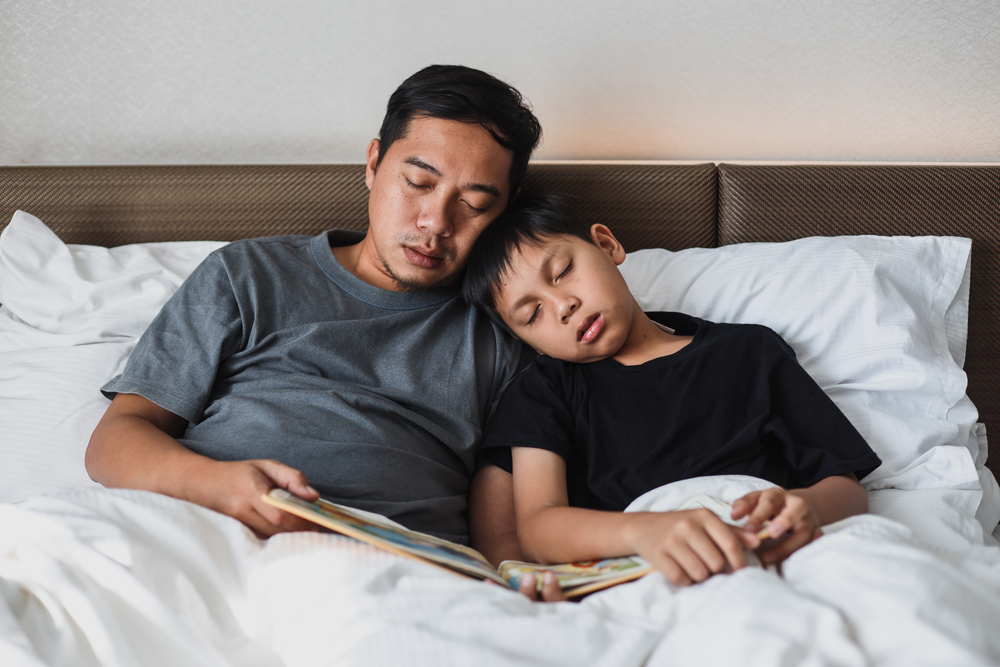
Do you have kids who insist on you telling them stories? And not just any stories, they want you to keep going. When you come home from work, they have a stack of books and won’t eat until you finish all of them or want you to keep going for two hours. This is a common issue that I frequently encounter in my lectures. Parents, think about it: when you engage in parent-child reading with your kids, what do you hope for the most?

You certainly hope to create a warm memory because when they listen to your stories, they are especially well-behaved and feel secure. However, if the children turn listening to stories into your stress, demanding many stories, even refusing to listen to others, and only wanting to hear you as if they’re monopolizing your personal time, you should consider how to resolve this issue for yourself.


I suggest that in the context of parent-child reading, spend a good 15 to 20 minutes sharing a story with your child, and even half an hour is fine. However, if you find yourself spending two hours each day telling them an entire book, and they still feel unsatisfied and demand that you keep going as if they’re controlling you, it’s no longer a parent-child reading relationship but more of a tutoring relationship. We should set an example and tell the child, “I need to have some personal time. Today, storytime is 15 minutes, and Mom will tell you two books. After we’re done, we can do other things, or we can discuss the story we just read while you’re playing or eating.”

You shouldn’t turn into a radio, constantly narrating stories like a recording machine, as that’s not what we want in parent-child reading. So, parents, remember that when your child asks you to tell a story, it’s a joyful moment. We shouldn’t be afraid of telling stories to our children. Instead, we should control our time, casually finish a story in about half an hour, and then have a meal together or engage in play, followed by discussing the story. I believe that in a quality parent-child reading relationship, children will develop a greater love for reading and see it as a path to new horizons.

幸福婚姻保鮮法就是「你」「我」都 happy。當你願意包容對方的弱點時,正面地接納配偶,自然拉近彼此距離,婚姻的承載能力自然增強。

討論:你可以分享與配偶相處的心得嗎?

Parents Daily 為全港父母提供關於親子育兒、升學的豐富短片和內容,專輯內容包括「有星有Say」、「校長有話兒」等節目。我們以輕鬆活潑的方式為父母們提供培養孩子的資訊,更會邀請幼小校長、名人、資深教育工作者等分享教學、親子心得和實戰經驗,讓父母可以在這裡得到實用資訊之餘,更可認識更多互相分享、互相扶持的同行者。

Be a parent with multiple expressions and poses!

Written:
Founder & Volunteer Director of Good Love Passion, Lam Ho Pui Yee


When a child is around 6 months old, they start babbling, constantly making sounds and single words. They also enjoy playing with toys that make sounds. However, even before they learn to speak, they already understand how to communicate with the people around them using crying, sounds, facial expressions, gestures, or body language. In fact, children first learn to communicate with people using facial expressions and gestures, then they learn verbal communication, and finally, they learn to communicate through text. Therefore, accurately recognizing other people’s facial expressions helps in assessing their emotions and attitudes, thus influencing a child’s cognitive development, emotional development, and social skills. Parents’ facial expressions, actions, and postures are often what children find most attractive.

Children observe and respond to their parents’ facial expressions and emotions. For example, a gentle expression can make them feel comfortable communicating with you, a smile can boost a child’s confidence in expressing themselves, and a nod from parents indicates acceptance. Through these developments, children gradually understand, learn, and care about people’s emotions. Different parts of the body express emotions in various ways, and expressions can be categorized into facial expressions, body expressions, and verbal expressions.

To establish good parent-child communication, parents need to pay attention to several aspects:


1When children cannot clearly see their parents’ facial expressions, it is recommended to use actions as a substitute for speech responses. For example, hugging them tightly, giving them a kiss, gently stroking their hair, or gently touching their cheeks are all important non-verbal communication methods.


2. If parents can embody a childlike and expressive role in their daily lives, children can learn a wealth of emotions and expressive skills from their parents’ facial expressions. This will undoubtedly benefit them throughout their lives.

3. Many parent-child interaction patterns involve “non-interaction” – even though they are together, there is no eye contact, conversation, message exchange, or actions, and there is no emotional sharing because everyone is watching TV, using the computer and phones, or doing their own things. Eye contact can train focus, so regularly gazing at each other with caring eyes and listening to each other’s sharing is one of the conditions for good communication.

4. Creating a quiet and simple environment helps children concentrate. True and comprehensive communication happens when they can clearly see your facial expressions. Therefore, it’s appropriate to turn off sound-producing items like the TV, tablet, or take away their beloved toys during communication.

On the journey of a child’s growth, parents who are willing to provide unconditional love and ample communication space make children feel accepted, allowing them to break free from their cocoon. Children love it when their parents appreciate them, so encouragement often has a greater impact, whether through eye contact or speech; both can be used more frequently.

Parents Daily 為全港父母提供關於親子育兒、升學的豐富短片和內容,專輯內容包括「有星有Say」、「校長有話兒」等節目。我們以輕鬆活潑的方式為父母們提供培養孩子的資訊,更會邀請幼小校長、名人、資深教育工作者等分享教學、親子心得和實戰經驗,讓父母可以在這裡得到實用資訊之餘,更可認識更多互相分享、互相扶持的同行者。

Everyday life is full of eye use. Adults and children do eye exercises together.

Source : Chinese
Medicine Practitioner, Chiu Shi Cheung

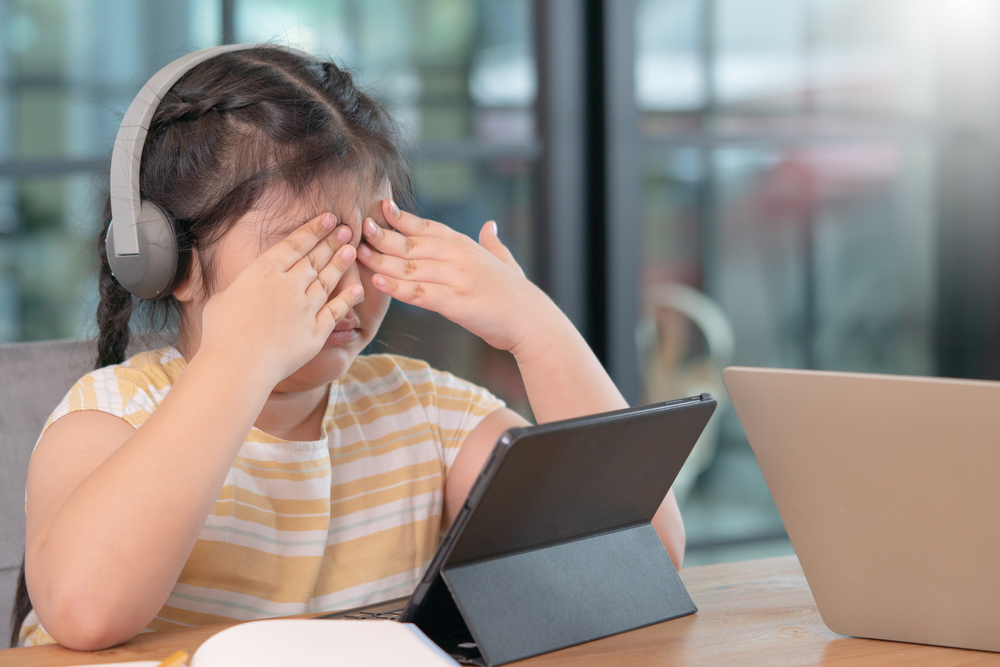
Many children today spend a lot of time looking at computers, phones, or reading, which can strain their eyes. There are some acupoint massages that can help children relieve eye strain.

The first acupoint we’ll introduce is the “Zan Chuk” point. It’s located at the very front end of the eyebrows, about half an inch downward, at the corner of the eye socket. Another acupoint is called the “Jing Ming” point. It’s located at the side of the nasal bridge, right in the middle between the two eyes, near the inner edge of each eye. The third point is the “Si Pak” point, which is about 1 inch below the eyes, roughly the width of two fingers apart. It’s in front of the cheekbone, and when you touch it, there should be a slight depression just below the eyes; this is the “Si Pak” point. The last acupoint is the “Shi Chuk Hung” point, located at the very end of the eyebrow. All four of these points can help with dispersing wind, clearing heat, and improving vision.

Once we know the locations of these acupoints, how do we massage the eye area?

First, let’s start with the first point, the “Zan Chuk” point. You’ll use your four fingers to hold down the eyebrows, and then use your thumb to press on the “Zan Chuk” point. The “Zan Chuk” point is right at the very front end of the eyebrows, in the depression at the corner of the eye socket. Hold it with your four fingers and your thumb, and gently rotate 64 times in opposite directions.


The second acupoint is called “Jing Ming” Point, located in the area in front of the inner corner of the eye, between the eyebrow and the bridge of the nose. We use two fingers to gently pinch the bridge of the nose and then slowly massage it up and down, repeating this motion 64 times.


The third acupoint is called “Si Pak” Point. It is located on the inner edge of the cheekbone on our face. In fact, when you touch it, you’ll feel a slight depression. Using two fingers, place them on either side of the bridge of the nose, and you will be able to locate this point. Gently press inside, and you will feel a slight soreness. After locating it, you can also rotate the pressure 64 times.

The fourth acupoint is Shi Chuk Hung Point. To locate it, use your thumbs to first press on both sides of the temples. Then, starting from the Shi Chuk Hung Point, sweep upward to the Shi Chuk Hung Point again, and then continue downward, below the eyes, to the Shi Chuk Hung Point. This constitutes one cycle, and repeat this motion 64 times.

By massaging these four acupoints, you can not only relieve eye fatigue but also improve the blood circulation around the eyes and prevent eye conditions such as nearsightedness. When we do eye exercises, remember to keep our eyes closed throughout the entire process. After completing the eye exercises, it’s also important to keep your eyes closed for 2 to 5 minutes. We typically press each acupoint for 64 times. Why 64 times? It’s because, from the perspective of Traditional Chinese Medicine “eighty-eight sixty-four“, we call it the “first of eight eights” meaning the most important.

Parents Daily 為全港父母提供關於親子育兒、升學的豐富短片和內容,專輯內容包括「有星有Say」、「校長有話兒」等節目。我們以輕鬆活潑的方式為父母們提供培養孩子的資訊,更會邀請幼小校長、名人、資深教育工作者等分享教學、親子心得和實戰經驗,讓父母可以在這裡得到實用資訊之餘,更可認識更多互相分享、互相扶持的同行者。

The “small gestures” of education make children soar in the ideal sky

Written by: Johnny Kwan, Curriculum Director of the International Gifted and Talented Development Education Institute

Some people say that the diploma a child will earn in the future is at least a capital that will allow them to establish themselves in society, ensuring they do not face the increasingly competitive life ahead with empty hands. Some say that a child’s good manners and graceful behavior serve as the family’s advertisement, even if they don’t possess extraordinary abilities, at least it guarantees that they won’t go astray. There are also those who say that they have too many regrets in their own lives, that their dreams have always been washed away by the harsh realities, and with better living conditions now, they will never let tragedy repeat itself in their children, wanting to mold them into the image they desire.

However, when young people carried their university diplomas and stumbled on the path of job-seeking, when the media occasionally reported on the distortion of human nature due to trivial reasons, when children could not become the ideal image in the eyes of their parents, and the parents were frustrated by their inadequacies… Is education merely about achieving superior living conditions?

How to nurture a child’s talent lies in paying attention to the small details of everyday life.

The aspiration for one’s child to succeed is a common goal for every parent, but how to cultivate a child’s talent has become a headache for parents. In this age of technological advancement, education has become increasingly complex. Parents often find themselves at a loss due to their children’s series of “unthinkable” actions, feeling anxious in a cycle where intervening is wrong, and not intervening is also wrong.


In fact, only by walking one’s own path can one find the goals they’ve set for themselves. Education can be achieved in some “small gestures” in everyday life, and qualities can be cultivated in the details.

Sometimes, the key to success or failure is not in the environment but in the details of the process. Some “small gestures” in education, such as eye contact, actions, and attitudes, these often overlooked details by parents, are the most exquisite tools for shaping a child’s talent. Through careful refinement in various aspects like intelligence, financial literacy, resilience, emotional intelligence, moral values, and aesthetics, give your children wings so they can soar in the ideal sky!


There are no rigid theoretical knowledge or lengthy sermons, only subtle processes of imparting. Giving someone a fish can only satisfy their hunger for a moment but teaching them how to fish can sustain them for a lifetime. Quality education provides children with the means to fish, rather than just providing them with the food to survive. These methods to address fundamental issues are hidden in the everyday words and actions of parents, which had often gone unnoticed until now.

The development of character is a gradual and sequential process; it cannot be rushed or achieved in a single step. The process of building good character is essentially a series of frames fixed in a child’s memory, one after another. When a child is about to host a birthday party, they may suddenly recall an image of their mother saving coins, prompting them to consciously withdraw their bank card from the ATM. On the contrary, if a vivid image of their father gambling recklessly during a mahjong game takes precedence, any well-intentioned lectures will become feeble and ineffective.

The key is how to imprint the details of character in a child’s mind and then influence their behavior when they need guidance. It’s this internal, automatic awareness that comes from the child’s heart, which is the essence of education.

Parents Daily 為全港父母提供關於親子育兒、升學的豐富短片和內容,專輯內容包括「有星有Say」、「校長有話兒」等節目。我們以輕鬆活潑的方式為父母們提供培養孩子的資訊,更會邀請幼小校長、名人、資深教育工作者等分享教學、親子心得和實戰經驗,讓父母可以在這裡得到實用資訊之餘,更可認識更多互相分享、互相扶持的同行者。