Learn to shop with real money

Written by : New Horizons Development Centre

                    Registered Educational Psychologist Pang Chi Wah

Under the epidemic, many families have become accustomed to shopping online, which is convenient and fast and frees up more time for other tasks. Even in everyday purchases, there is often no need to pay cash directly, for example, when taking transportation or shopping at convenience stores, you only need to use your Octopus to complete the payment process without using any coins. When everyone is used to it, and children already know how to use this kind of electronic money, is there any problem? In fact, “convenience” can sometimes stifle the knowledge that can be gained in the learning process.


Just think about it, the use of credit cards by adults is also convenient for shopping, but it can be a big challenge to our financial management skills because we need to be very disciplined in order not to exceed our budgets or “spend money in the future”. A young man once confessed that when he was growing up, his family was richer, and when he saw his family paying for things after dinner or at the department store, all he had to do was sign for them; when he wanted to buy something, his family would also go along with his wishes and sign for it. But it was not until he started working that he realized that he still needed to pay for something other than his signature. Money is found to be limited. Is it too late to start learning financial control at that moment?


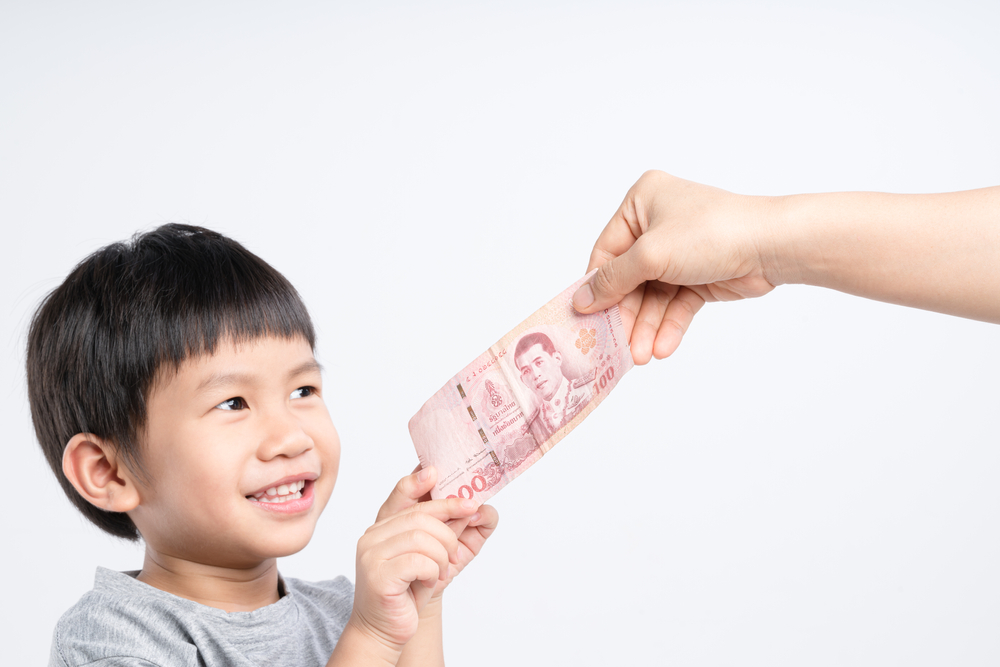
Parents are encouraged to give their children opportunities to make actual purchases in their daily lives when they are young. This helps to enhance their cognitive understanding, mathematical concepts and, more importantly, their general knowledge and habits of financial management. For example, ask them to pay in cash instead of electronically when buying food from convenience stores or subway tickets. Even though parents may need to spend more time in the process, they may not have a complete concept of money yet, but their actual participation can easily generate curiosity and observation, and gradually feel or understand the value of different items.


Parents can teach them to recognize money at different levels as they grow up, and when teaching them to actually buy things, they must add fun learning or activity elements. First, parents can provide them with opportunities at home to learn about different coins or bills, such as the difference between one and two dollars and the colors of different bills. Second, when they have mastered the basic concepts, parents can ask them to change the coins or bills that they are instructed to change. Further, once they know how to pay in one direction, parents can guide them to take back the money they have redeemed. Finally, when they are learning to buy, they need to know if they are getting the right amount of money, and the amount or complexity of the amount can increase as their cognitive level increases!

In general, parents do not need to give up paying electronically in their daily life, as long as they have enough coins or banknotes for learning on weekends or when appropriate. For example, when taking a bus, take out the coins and actually check them, or when buying something, count the money provided by the parents and try to feel the actual purchase, if it is really inconvenient, parents can use electronic means to complete the transaction simultaneously.

Parents Daily 為全港父母提供關於親子育兒、升學的豐富短片和內容,專輯內容包括「有星有Say」、「校長有話兒」等節目。我們以輕鬆活潑的方式為父母們提供培養孩子的資訊,更會邀請幼小校長、名人、資深教育工作者等分享教學、親子心得和實戰經驗,讓父母可以在這裡得到實用資訊之餘,更可認識更多互相分享、互相扶持的同行者。
Don’t be the “audience” for your child’s “acting”

Written by: Founder & Volunteer Director of Good Love Passion 

            Lam Ho Pui Yee

Praise is often misunderstood and misused. Some parents think that praise is a “cure-all” medicine and that their children will accept any praise they are given. In fact, children can’t accept sarcastic praise, and it will only turn them off and backfire. Appropriate praise is more effective than harsh punishment. Some comments can be hurtful and can even affect a child’s personality development for the rest of his or her life. Successful parents take advantage of opportunities to praise or encourage their children, as timely and appropriate praise can be motivating and inspiring, enabling children to grow in the right direction.

Smile and make eye contact at the same time

When praising your child, parents must smile and look into your child’s eyes at the same time. Such sincere feelings are the happiest and overflowing. Because praise is a double-edged sword – the right kind of praise will make a person feel confident and happy and move forward, but the wrong kind of praise will make a child lose his or her way and stagnate.

For example, when a child refuses to “sit down”, the parent should say “please sit down” with a matching expression. If the child is willing to comply, the parent can praise him immediately and then play a fun game with him. But if the child still does not comply, the parent can immediately take the child away from the scene to divert attention and guide him to follow instructions. Or when you tell the child to put the toy away, but he still looks at you and tosses the toy, testing to see if you will let him go. You can then say to him in a calm and gentle tone, “Please put the toys away gently,” or “Let’s learn to put away the toys together, okay?


Guide your child to understand that expression is appropriate

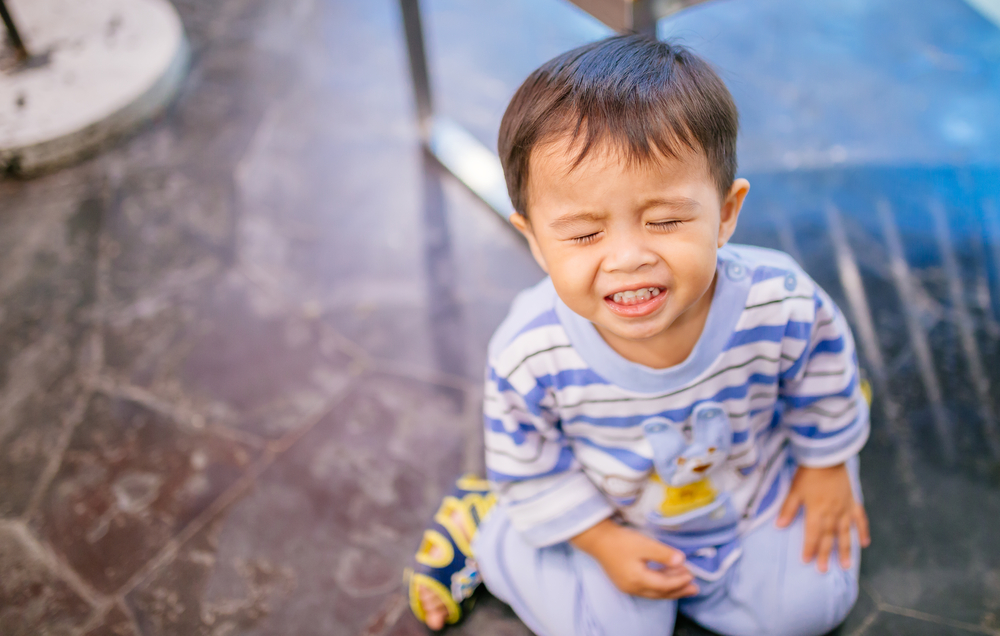
Parents don’t have to tolerate their children’s bad behavior and minimize arguing or reassuring remarks, which only gives the child more room to continue “acting out” because they have found an “audience”, and some children may even be aggravated by your ignoring them or getting upset. We need to guide our children to understand that the only way to get what they want is to express themselves in an appropriate way. As long as the parent persists, the child will understand that the behavior will not get the parent’s attention and will naturally give up.

If the child stops this behavior, the parent can respond immediately by praising him for being quiet and then diverting his attention to other activities. Whenever a child receives praise from others, he or she will naturally exude confidence and joy, as well as a sense of trust and affection for the person who praised him or her. However, the repetition of a single form of praise over time can be ineffective, so parents should be careful to be creative in their praise.

Pay attention to the tone of voice and lead by example

Children are a gift from God, and it is only through love that other aspects of accomplishment do not become a form of bragging and pride. The difference in the tone of voice is enough to affect the parent-child relationship of detachment or closeness. Parents’ emotions and behaviors are related to their children’s future learning attitudes and personality traits. Because children mostly learn by groping and imitation, children will observe their parents’ treatment of others and use of words and phrases to learn their own emotional management and interpersonal relationships, so the importance of parents leading by example cannot be ignored. Even a hug, a smile or a look can establish a kind of appreciation. Parents are far more influential to children than teachers or peers. The more encouragement a child receives as they grow, the better it will be for their future development.

Each child has different characteristics, and parents should observe and explore their potential, allowing them to develop according to their strengths. “Encouragement helps children to grow, while scolding makes them timid. But the two must go hand in hand and not be biased.” Only through a clear distinction between rewards and punishments can children feel loved by their parents and know how to face mistakes and take responsibility for their own development.

Parents Daily 為全港父母提供關於親子育兒、升學的豐富短片和內容,專輯內容包括「有星有Say」、「校長有話兒」等節目。我們以輕鬆活潑的方式為父母們提供培養孩子的資訊,更會邀請幼小校長、名人、資深教育工作者等分享教學、親子心得和實戰經驗,讓父母可以在這裡得到實用資訊之餘,更可認識更多互相分享、互相扶持的同行者。

“I’m so tired” How to improve the feeling of tiredness?

Written by: Chinese doctor Yiu Yee Chiu

As a parent, it can be exhausting to take care of a family and work. In my spare time, I like to watch talk shows and listen to the unique views of celebrities on life and their outlook on life. Once they talked about the busy life of Hong Kong people and how fatigue seems to be an inevitable “by-product”. However, we were told that we are not tired because we are all like that and it is just a normal physiological reaction. So, is this true?

Tiredness is actually a subjective feeling, so only you can understand it. In some cases, it can be seen in behavior, such as reluctance to get up, weakness in speech, lack of normal physical strength, etc. According to a Chinese Medicine Practitioner, fatigue involves the five viscera and six internal organs, mainly the spleen, liver and kidneys, with the spleen being the most important, which falls under the category of “deficiency fatigue”.

Three types of fatigue have different causes

Fatigue can be classified from different perspectives. One way is to classify fatigue into three categories: physical, mental, and psychological. Physical fatigue is the most common and the most easily noticed. After normal work, it is normal to feel tired and can recover after rest. However, if you cannot recover after rest, or if the number and degree of fatigue is too much, this is fatigue, which can also be said to be a “sub-health” state.


Brain fatigue is caused by overuse of the brain. The most basic symptoms are memory loss and lack of concentration. Other symptoms include drowsiness, lack of concentration, auricular fever, and lack of hearing. Mental fatigue is a psychological feeling after excluding physical problems, and may be triggered by lack of sleep or inadequate nutritional supply. If more than one of these manifestations occurs at the same time, it is likely to be characterized as what is known as “fatigue syndrome”.


Fatigue is related to the disorders of the five organs

From the perspective of Chinese medicine, the appearance of fatigue is closely related to the imbalance of the five viscera. Different symptoms may be related to a particular internal organ, for example, lack of qi is mostly related to the lung. Chinese medicine believes that the overall activity of the human body depends on the state of vital energy. The Yuan Qi ” Human nature inborn and nourished later”, means that the Yuan Qi from the parents of the essence, after birth, mainly from the diet of water and grain essence of the supplement and nourishment, while relying on the normal function of the spleen and stomach and with the help of the natural qi (i.e. good air), although they are tired, but there are differences in the form.

 People can be divided into the following four main body types:

 1. Phlegm-damp body type: This type of person is not only obese, but also has a lot of fatigue and phlegm, is easily sleepy, has lazy limbs, has stomach discomfort after eating, and has loose stools. In addition to the Chinese medicine can be adjusted, can also rely on long-term physical exercise to improve. Including jogging, swimming, Tai Chi, “Eight Duan Kam” etc.

2. Qi deficiency: these people have insufficient lung energy, lack of energy, it would have a feeling of fatigue when little working. Since the strength of liver qi is related to the immunity of the body, they are prone to illness. Other symptoms include laziness, frequent sweating, a low voice, a pale tongue with white fur, and a weak pulse. Although exercise can be encouraged, it is necessary to start slowly and increase gradually. In addition, you can use the Qihai point in the abdomen as the center of a circular massage, three times a day, for 10 minutes each time. This method can strengthen the spleen with stomach and nourish the essence.

 3. Yang body type: These people have low overall metabolism and will show fear of cold, depression and drowsiness. In addition to taking Chinese medicine, you can also use the “warm umbilical cord method” to strengthen nephron. The method is to use a lit moxa stick to moxibustion on the umbilicus above the Shen Pao point for 15 minutes twice a day, mainly to feel the warmth and tolerable.

 4. Depressed body: most of the manifestations are unstable, easily depressed, lack of perseverance, suspicious and other psychological imbalance. Of course, physical discomfort, such as fullness in the ribs and poor sleep, may also occur. However, it is closely related to the ups and downs of emotions. Talking and sharing with others is the easiest way to guide yourself. At the same time, you can also try “rose yam porridge”. The method is to make a congee of rose, coix seeds and Chinese yam with rice, 1 to 2 bowls a day.

 In any case, the feeling of fatigue is very disturbing. In addition to discomfort, people sometimes wonder if it is a lie. So we must face it head on and find the right way to manage it. Otherwise, the sub-healthy state of fatigue may turn into a real disease, and that would be a problem.

Parents Daily 為全港父母提供關於親子育兒、升學的豐富短片和內容,專輯內容包括「有星有Say」、「校長有話兒」等節目。我們以輕鬆活潑的方式為父母們提供培養孩子的資訊,更會邀請幼小校長、名人、資深教育工作者等分享教學、親子心得和實戰經驗,讓父母可以在這裡得到實用資訊之餘,更可認識更多互相分享、互相扶持的同行者。

Smart Parent Net

Topic

Link

(影片)正向同行伴成長:森美篇 (下集)

https://youtu.be/d2PuNVQQ9n4

「玩轉親子樂」巡迴展覽專訪:共建優質親子時間

https://youtu.be/WzGQvSAvcsA

親子錦囊幫助子女進行生涯規劃

https://www.parent.edu.hk/article/code-lifeplanning

親子密碼成長的過程

https://www.parent.edu.hk/article/code-grow

(影片)聽聽父母與子女心聲 透過短片分享對正向教養的睇法

https://www.parent.edu.hk/article/video-positiveview

親子密碼引導孩子學習

https://www.parent.edu.hk/article/code-learning

(影片)正向同行伴成長:森美篇(上集)

https://youtu.be/5K8BrNflaoE

「玩轉親子樂」巡迴展覽

https://www.parent.edu.hk/article/ORPA2022TC

「玩轉親子樂」家長教育資源套

https://www.parent.edu.hk/article/playtimekit-tc

「玩轉親子樂」親子桌上遊戲

https://www.parent.edu.hk/article/playtimeboardgame

(影片) 「共創故事繪本歷險記」遊戲示範短片

https://youtu.be/oKiPy2XMzY4

(影片)「真的假不了」遊戲示範短片

https://youtu.be/76tBnW6N5Do

(影片)「親子花式跳繩」遊戲示範短片

https://youtu.be/5kRTz4zPc7Q

(影片)「親子彈彈球」遊戲示範短片

https://youtu.be/Cs13BiP1Stg

(影片)「猜猜畫畫」遊戲示範短片

https://youtu.be/YnesCIRTlk0

親子密碼建立正向家庭

https://www.parent.edu.hk/article/code-familyday

親子密碼彼此尊重

https://www.parent.edu.hk/article/code-respect

Light家庭」通訊程式表情圖像貼圖包 (母親節、父親節篇)

https://www.parent.edu.hk/article/light-family-emoji-stickers-mothersfathersday

親子密碼親子閱讀

https://www.parent.edu.hk/article/code-reading

親子密碼身心健康

https://www.parent.edu.hk/article/code-healthy

親子密碼同行者

https://www.parent.edu.hk/article/code-walktogether

親子錦囊-在長假期裏與子女共享優質的親子時間

https://www.parent.edu.hk/article/code-timetogether

(影片)Light家庭」家長教育動畫系列-伴你成長

https://youtu.be/_L3RzFiuSL0

親子密碼同心抗疫

https://www.parent.edu.hk/article/code-againstvirus

(影片)Light家庭」家長教育動畫系列-爸爸媽媽也不是超人

https://youtu.be/spZ3W4tJ0wQ

親子密碼同心抗疫

https://www.parent.edu.hk/article/code-againstvirus

(影片)Light家庭」家長教育動畫系列-爸爸媽媽也不是超人

https://youtu.be/spZ3W4tJ0wQ

親子密碼孩子成長的需要

https://www.parent.edu.hk/article/code-childneeds

「童真同心照未來」家長教育短片創作比賽
「童真同心照未來」家長教育短片創作比賽宣傳短片
「童真同心照未來」家長教育短片創作比賽工作坊內容重溫
「童真同心照未來」家長教育短片創作比賽拍攝及剪接技巧工作坊 I 精華重溫
「童真同心照未來」家長教育短片創作比賽拍攝及剪接技巧工作坊 II 精華重溫

https://www.parent.edu.hk/article/video_competition2
https://youtu.be/ypG-IpyXerY
https://youtu.be/A9X2as0l0T4
https://youtu.be/L5FXz568cOU
https://youtu.be/AhCXaQoir1w

親子錦囊 培養正確的價值觀和態度

https://www.parent.edu.hk/article/code-attitudeandvalue

(影片)Light家庭」家長教育動畫系列-不忘.初心

https://youtu.be/M7z1UldhIgQ

親子密碼成長的養份

https://www.parent.edu.hk/article/%E8%A6%AA%E5%AD%90%E5%AF%86%E7%A2%BC—%E6%88%90%E9%95%B7%E7%9A%84%E9%A4%8A%E4%BB%BD

和子女一起實踐健康生活方式

https://www.parent.edu.hk/article/%E5%92%8C%E5%AD%90%E5%A5%B3%E4%B8%80%E8%B5%B7%E5%AF%A6%E8%B8%90%E5%81%A5%E5%BA%B7%E7%94%9F%E6%B4%BB%E6%96%B9%E5%BC%8F

(影片)Light家庭」家長教育動畫系列-我的方法是最好的?

https://youtu.be/ZdxqQg1lG4o

親子密碼最重要的陪伴

https://www.parent.edu.hk/article/%E8%A6%AA%E5%AD%90%E5%AF%86%E7%A2%BC—%E6%9C%80%E9%87%8D%E8%A6%81%E7%9A%84%E9%99%AA%E4%BC%B4

支持子女在家學習的小錦囊

https://www.parent.edu.hk/article/%E6%94%AF%E6%8C%81%E5%AD%90%E5%A5%B3%E5%9C%A8%E5%AE%B6%E5%AD%B8%E7%BF%92%E7%9A%84%E5%B0%8F%E9%8C%A6%E5%9B%8A

(影片)Light家庭」家長教育動畫系列 正向家長,以身作則

https://youtu.be/lduwj3D1ROU

親子密碼成長的速度

https://www.parent.edu.hk/article/%E8%A6%AA%E5%AD%90%E5%AF%86%E7%A2%BC—%E6%88%90%E9%95%B7%E7%9A%84%E9%80%9F%E5%BA%A6

(影片)正向同行伴成長:杜凱琹篇
(
影片)正向同行伴成長:杜凱琹篇 (足本版)
正向同行伴成長:杜凱琹篇 (精華版)

https://www.parent.edu.hk/article/doo-interview
https://www.youtube.com/watch?v=UlrkY3NSJIk&ab_channel=EDBParent
https://youtu.be/nAqFANcksKs

親子密碼學習與生活

https://www.parent.edu.hk/article/%E8%A6%AA%E5%AD%90%E5%AF%86%E7%A2%BC—%E5%AD%B8%E7%BF%92%E8%88%87%E7%94%9F%E6%B4%BB

親子密碼新學年

https://www.parent.edu.hk/article/%E8%A6%AA%E5%AD%90%E5%AF%86%E7%A2%BC—%E6%96%B0%E5%AD%B8%E5%B9%B4

與子女同行 齊迎新學年

https://www.parent.edu.hk/article/%E8%88%87%E5%AD%90%E5%A5%B3%E5%90%8C%E8%A1%8C-%E9%BD%8A%E8%BF%8E%E6%96%B0%E5%AD%B8%E5%B9%B4

親子錦囊預備新學年日常活動時間表

https://www.parent.edu.hk/article/daily-activity-planner

親子密碼讚賞與自信心

https://www.parent.edu.hk/article/%E8%A6%AA%E5%AD%90%E5%AF%86%E7%A2%BC—%E8%AE%9A%E8%B3%9E%E8%88%87%E8%87%AA%E4%BF%A1%E5%BF%83

親子密碼強大的後盾

https://www.parent.edu.hk/article/%E8%A6%AA%E5%AD%90%E5%AF%86%E7%A2%BC—%E5%BC%B7%E5%A4%A7%E7%9A%84%E5%BE%8C%E7%9B%BE

Light家庭」通訊程式表情圖像貼圖包

https://www.parent.edu.hk/article/light_sticker

親子密碼面對成與敗

https://www.parent.edu.hk/article/%E8%A6%AA%E5%AD%90%E5%AF%86%E7%A2%BC–%E9%9D%A2%E5%B0%8D%E6%88%90%E8%88%87%E6%95%97

(影片) 指導子女做家課小貼士

https://youtu.be/rMJM4S_C4Pw

親子密碼 -學習表達

https://www.parent.edu.hk/article/%E8%A6%AA%E5%AD%90%E5%AF%86%E7%A2%BC-%E5%AD%B8%E7%BF%92%E8%A1%A8%E9%81%94

疫情下的家校合作

https://www.parent.edu.hk/article/%E7%96%AB%E6%83%85%E4%B8%8B%E7%9A%84%E5%AE%B6%E6%A0%A1%E5%90%88%E4%BD%9C

親子密碼認錯的關鍵

https://www.parent.edu.hk/article/%E8%A6%AA%E5%AD%90%E5%AF%86%E7%A2%BC-%E8%AA%8D%E9%8C%AF%E7%9A%84%E9%97%9C%E9%8D%B5

親子密碼技巧重要,心態更關鍵

https://www.parent.edu.hk/article/%E8%A6%AA%E5%AD%90%E5%AF%86%E7%A2%BC-%E6%8A%80%E5%B7%A7%E9%87%8D%E8%A6%81-%E5%BF%83%E6%85%8B%E6%9B%B4%E9%97%9C%E9%8D%B5

正向家長運動親善大使「媽咪Light」和「爹哋Light」家庭成員命名比賽

https://www.parent.edu.hk/article/ppc_naming

(影片)「媽咪Light」、「爹哋Light」這一家

https://youtu.be/Vy2oKdG2eAc

親子密碼正向與表達

https://www.parent.edu.hk/article/%E8%A6%AA%E5%AD%90%E5%AF%86%E7%A2%BC–%E6%AD%A3%E5%90%91%E8%88%87%E8%A1%A8%E9%81%94

親子密碼寬恕與接納

https://www.parent.edu.hk/article/%E8%A6%AA%E5%AD%90%E5%AF%86%E7%A2%BC—%E5%AF%AC%E6%81%95%E8%88%87%E6%8E%A5%E7%B4%8D

(影片)網上學習小貼士

https://youtu.be/qgFycSqqlno

親善大使「媽咪Light」、「爹哋Light」過新年 揮春 / 華服設計比賽 (得獎名單)

https://www.parent.edu.hk/article/ppc_cnylight

「媽咪Light」、「爹哋Light 通訊程式表情圖像貼圖包 (新年篇)

https://www.parent.edu.hk/article/cnysticker

(影片)校長與你分享「教養孩子的心得」

https://youtu.be/Po7y5jElMDw

親子密碼-愛與關懷

https://www.parent.edu.hk/article/%E8%A6%AA%E5%AD%90%E5%AF%86%E7%A2%BC-%E6%84%9B%E8%88%87%E9%97%9C%E6%87%B7

親子密碼鼓勵、肯定與接納

https://www.parent.edu.hk/article/%E8%A6%AA%E5%AD%90%E5%AF%86%E7%A2%BC—%E9%BC%93%E5%8B%B5-%E8%82%AF%E5%AE%9A%E8%88%87%E6%8E%A5%E7%B4%8D

親子密碼保持連線

https://www.parent.edu.hk/article/%E8%A6%AA%E5%AD%90%E5%AF%86%E7%A2%BC—%E4%BF%9D%E6%8C%81%E9%80%A3%E7%B7%9A

親子密碼同行共愛

https://www.parent.edu.hk/article/%E8%A6%AA%E5%AD%90%E5%AF%86%E7%A2%BC—%E5%90%8C%E8%A1%8C%E5%85%B1%E6%84%9B

「媽咪Light」、「爹哋Light 通訊程式表情圖像貼圖包

https://www.parent.edu.hk/article/%E5%AA%BD%E5%92%AAlight-%E7%88%B9%E5%93%8Blight-%E9%81%8E%E8%81%96%E8%AA%95-%E9%80%9A%E8%A8%8A%E7%A8%8B%E5%BC%8F%E8%A1%A8%E6%83%85%E5%9C%96%E5%83%8F%E8%B2%BC%E5%9C%96%E5%8C%85

正向家長運動親善大使 鼓勵父母成為正向家長

https://youtu.be/09p2XF2dz6U

(影片) 活動重溫:「父母童心 正向家長 吉祥物設計大激想」頒獎典禮暨得獎作品展覽

https://youtu.be/09p2XF2dz6U

家校合作 與孩子一起「愛在起跑線」

https://www.parent.edu.hk/article/%E5%AE%B6%E6%A0%A1%E5%90%88%E4%BD%9C-%E8%88%87%E5%AD%A9%E5%AD%90%E4%B8%80%E8%B5%B7-%E6%84%9B%E5%9C%A8%E8%B5%B7%E8%B7%91%E7%B7%9A

(影片) 父母童心 正向家長吉祥物設計大激想 比賽得獎作品
幼稚園組
小學組
中學組
公開組

https://www.parent.edu.hk/article/(%E5%BD%B1%E7%89%87)-%E7%88%B6%E6%AF%8D%E7%AB%A5%E5%BF%83-%E6%AD%A3%E5%90%91%E5%AE%B6%E9%95%B7%E5%90%89%E7%A5%A5%E7%89%A9%E8%A8%AD%E8%A8%88%E5%A4%A7%E6%BF%80%E6%83%B3-%E6%AF%94%E8%B3%BD%E5%BE%97%E7%8D%8E%E4%BD%9C%E5%93%81
https://youtu.be/yQJuFDE3HKI
https://youtu.be/KU1xV2hkkHU
https://youtu.be/D7N4CfZUurI
https://youtu.be/AuR3aCIrDz0

親子密碼 正面的價值觀和心態

https://www.parent.edu.hk/article/%E8%A6%AA%E5%AD%90%E5%AF%86%E7%A2%BC-%E6%AD%A3%E9%9D%A2%E7%9A%84%E5%83%B9%E5%80%BC%E8%A7%80%E5%92%8C%E5%BF%83%E6%85%8B

親子密碼 紓緩壓力和情緒

https://www.parent.edu.hk/article/%E8%A6%AA%E5%AD%90%E5%AF%86%E7%A2%BC-%E7%B4%93%E7%B7%A9%E5%A3%93%E5%8A%9B%E5%92%8C%E6%83%85%E7%B7%92

父母童心 正向家長吉祥物設計大激想 比賽得獎名單

https://www.parent.edu.hk/article/positiveparent

(影片) 大手牽小手 愉快同步走

https://youtu.be/o7WCS4IUUAw

正向家長以身作則 小朋友在關愛中成長

https://www.parent.edu.hk/article/%E6%AD%A3%E5%90%91%E5%AE%B6%E9%95%B7%E4%BB%A5%E8%BA%AB%E4%BD%9C%E5%89%87-%E5%B0%8F%E6%9C%8B%E5%8F%8B%E5%9C%A8%E9%97%9C%E6%84%9B%E4%B8%AD%E6%88%90%E9%95%B7

(影片)成長非比賽 孩子需要愛

https://youtu.be/8H1xn6l2TAE

(影片)關懷鼓勵與接納 正向家庭齊建立

https://youtu.be/PX3HLBFnazU

(影片) 陪伴子女適應校園新生活

https://youtu.be/OZGtEc81kTI

父母「童」心 譜出子女快樂童年

https://www.parent.edu.hk/article/%E7%88%B6%E6%AF%8D-%E7%AB%A5-%E5%BF%83-%E8%AD%9C%E5%87%BA%E5%AD%90%E5%A5%B3%E5%BF%AB%E6%A8%82%E7%AB%A5%E5%B9%B4

(影片) 吉祥物設計網上教室
快樂的手掌畫
吉祥物小偵探

https://www.parent.edu.hk/article/(%E5%BD%B1%E7%89%87)%E5%90%89%E7%A5%A5%E7%89%A9%E8%A8%AD%E8%A8%88%E7%B6%B2%E4%B8%8A%E6%95%99%E5%AE%A4
https://youtu.be/8tRGyhhwO4Q
https://youtu.be/Z58Po-pg7gY

正向家長x正向孩子 由關愛與溝通開始

https://www.parent.edu.hk/article/%E6%AD%A3%E5%90%91%E5%AE%B6%E9%95%B7%EF%BD%98%E6%AD%A3%E5%90%91%E5%AD%A9%E5%AD%90-%E7%94%B1%E9%97%9C%E6%84%9B%E8%88%87%E6%BA%9D%E9%80%9A%E9%96%8B%E5%A7%8B

父母『童』心打開想像力 讓創意成為正向家長吉祥物

https://www.parent.edu.hk/article/%E7%88%B6%E6%AF%8D-%E7%AB%A5-%E5%BF%83%E6%89%93%E9%96%8B%E6%83%B3%E5%83%8F%E5%8A%9B-%E8%AE%93%E5%89%B5%E6%84%8F%E6%88%90%E7%82%BA%E6%AD%A3%E5%90%91%E5%AE%B6%E9%95%B7%E5%90%89%E7%A5%A5%E7%89%A9

(影片) 一齊創作吉祥物

https://youtu.be/2Mai3IIksd4

共步成長 做個好爸媽 標語創作大募集

https://www.parent.edu.hk/article/%E5%85%B1%E6%AD%A5%E6%88%90%E9%95%B7-%E5%81%9A%E5%80%8B%E5%A5%BD%E7%88%B8%E5%AA%BD-%E6%A8%99%E8%AA%9E%E5%89%B5%E4%BD%9C%E5%A4%A7%E5%8B%9F%E9%9B%86


師牌爸爸:父親的愛與管教

(轉載自「家庭發展基金」師牌爸爸何志滌博士牧師文章)

師牌爸爸:父親的愛與管教 

 傳統「父親」角色總是給人嚴厲的一面,家父在家的時間不多、亦甚少說話。當父親說話就令我感到是一鎚定音,沒有商討餘地,以致「父親」總是比較「嚴厲」。可是,近代有關親子關係的學說已經改變很大,論及父母必須同心,要一致的教導方向,以免小孩利用父母的分歧來達成他們的目的。

 「要聽從你父親的教訓,不可離棄你母親的訓誨。」(1: 8;另見箴6: 20) 《新譯本》。這一節經文提到在家庭教育上,父母共同有責,即是我們需要聽從父母的教導。父母有他們人生智慧,若聽從他們的教導,人生就會變得更蒙福。只是在上世紀八十年代後,社會學認為已進入後現代主意,對權威有另一種看法,面對上一代的管教作出抗拒。不過,以我的理解,父母對下一代的影響並不一定需要權威作主導,「愛」才重要。

 想到我是戰後嬰兒潮出生,也常被稱為「無父的一代」,意思是我們這代的父親因為要努力工作;就如我父為了供養六位兄弟姐妹,又加上他為了創業,一個星期工作六整天,盡心竭力的,早出晚歸,加上晚上應酬,他在外的時間幾乎每一天達十多個小時,見父親的機會只在星期天。我記憶中的父親確是一位好父親,只是較沈默寡言。我還記得每逢夏天,星期日父親總會帶全家到海灘暢泳。若是冬天,他會帶我們去吃大餐,比較常去是Jimmys Kitchen,只是這餐廳已經結業。

而我當父親後,雖從父親口中聽不到他怎樣教導我們,但從他身上卻察看出他是勤奮努力的人,而且知道他在生意往來上很誠實,從無欺詐;他也是知足的人,他一直不肯買房子,因為所住的地方每個月的租金只是港幣八十元,由於是戰前樓,哪個年代是不准加租。直到政府要清拆的那一年才置業,買了一間舊房子,是「唐樓」並沒有電梯和後樓梯,他也滿足;一直居住至他離世與神同在的日子,還記得我已在加拿大,那時我也回港事奉,就決定讓母親搬到九龍,靠近我與姊姊家,以便照顧。

 我深受父親的生命影響,雖話語不多,卻他以身作則,讓我知道待人要真誠信實,也定要懂得滿足。我知道他為生活勞碌,卻也盡力以行動表達對我們的愛,在我記憶中父親從不嚴厲責備我們,他豎立以「愛」來「管教」的榜樣。

 事實上,父親的親子關係必須看重,也正是我們較少提父親在親子關係的重要。只願有更多的講座是以父親的角度來看親子,激勵我們看重父親在家庭中的角色,家庭一定會更蒙福。

何志滌牧師/博士 Dr. Ho Chi Dik Peter

畢業於加拿大麥基爾大學 (McGill University),後在安省神學研究院 (Ontario Theological Seminary) 獲道學碩士學位,及伯特利神學院 (Bethel Bible Seminary) 教牧學博士學位。

曾任播道神學院和中華神學院特約講師、中國基督教播道會同福堂主任牧師。

現為中國基督教播道會同福堂創堂牧師及同福聖經學院院長,同時亦為基督教靈實協會榮譽靈性關顧主管。

現於「號角月報」和與太太何羅乃萱女士在「天使心」撰寫專欄。

現於香港電台的「三個男人一個墟」擔任客席主持,曾擔任新城數碼財經台的「原味生活館」嘉賓講員。

“Poverty leads to change, change leads to adapt” Let children learn to be flexible

Difficulties are an opportunity to develop adaptability

As the saying goes, “ poverty leads to change, change leads to adapt “. The word “poverty” in this context does not mean “poor”, but “at the end of the road”, or “in difficulty”. When things seem to have come to a dead end, only some alternative or different methods can solve the problem.

Fostering adaptability requires that children face difficult problems, think about them, and try to solve them in different ways. In fact, children have to face a lot of problems every day, such as math problems, crafts, and model building, which require them to solve problems. We can make full use of these opportunities to develop their adaptability.

Written byGigamind English Primary School Principal Law


There is a Chinese saying: “Raising a child for 100 years old is a long-term worry for 99 years. This speaks to the heart of thousands of parents. As the weather turns colder, you are busy adding clothes for your child, but when you see other people’s children running and jumping around wearing only a single coat, you may worry that he is too warm and less able to adapt. If your child doesn’t listen to you and does what he wants to do, you will be annoyed, but if he asks you for everything, you may worry and say, “Oh! Didn’t I teach you that? Why don’t you always know how to adapt?

 The power of adaptability from the movie

Spontonsive Flexibility is an element of creativity. If you know how to adapt, you can solve a problem in a different way.

 Have you ever seen the movie “Apollo 13”, which is based on a true story? One scene of the movie tells the story of the runaway spacecraft, filtering toxic gas equipment is broken, scientists found that to solve the problem, we need to connect a round interface to a square interface above. Different sizes of water pipes cannot be reliably connected, but they want to connect the round interface? Sounds like you know it is impossible, but if you cannot connect the filter cannot pass the toxic gas, the three astronauts will not be able to return alive! In the end, with the cooperation of each other, they used plastic bags, cardboard, tape and other things to connect the two different interfaces, successfully solved the problem.

Inclusion of children’s ideas

We need to be mindful that developing children’s adaptability requires an attitude of tolerance and acceptance of seemingly silly solutions to problems. Since adults have more experience and are better at solving problems than children, they sometimes feel that the solutions children come up with are not good enough. However, the most important thing is that these solutions were thought up by the children themselves, and they can work. Even if they don’t work, they probably make some sense and can barely do it. No matter how “dumb” a child’s approach is, every success and every parental support gives him or her more confidence to solve problems in the future.

 Letting your child try


Adults may be able to figure out solutions to problems faster than children, so we need to give children enough time to think and try, and not rush to tell them what they think. Parents should let go of their children and let them face difficulties on their own. “Poverty leads to change”, and the motivation for “change” will be weakened with too much help.

This is the difficulty of being a parent. If you help too much, you worry that your child will not know how to solve problems on his own; if you help too little, you worry that he will not be able to catch up with others; and with so many things to deal with every day, how can you have time to let your child take his time to finish what he has to do every day? However, there are times, such as during the holidays, when we really need to consider slowing down the pace of life and allowing our children to do more of their own work, learn to solve problems in their own way, and develop adaptability.

Parents Daily 為全港父母提供關於親子育兒、升學的豐富短片和內容,專輯內容包括「有星有Say」、「校長有話兒」等節目。我們以輕鬆活潑的方式為父母們提供培養孩子的資訊,更會邀請幼小校長、名人、資深教育工作者等分享教學、親子心得和實戰經驗,讓父母可以在這裡得到實用資訊之餘,更可認識更多互相分享、互相扶持的同行者。

Categories
Parents Zone Parents Zone Parents Zone Parents Zone Parents Zone Parents Zone Parents Zone Parents Zone Parents Zone Parents Zone

師牌爸爸:愛的語言與親子

(轉載自「家庭發展基金」師牌爸爸何志滌博士牧師文章)

師牌爸爸:愛的語言與親子 

 自從蓋瑞。巧門(Gary Chapman)在1998年出版了The Five Love Languages(愛的五種語言)後,在兩性關係上帶來很多祝福。如何能以這五種愛的語言應用在親子關係上。我認為夫妻與親子這兩種關係並不一樣,否則怎會有代溝的出現。

愛的五種語言是:「肯定言語」、「精心時刻」、「贈送禮物」、「服務行動」和「肢體接觸」。顯然地,在夫妻關係用不同愛的語言表達,可以帶來較正面的結果。例如一般的丈夫都不慣以「贈送禮物」來表達愛,倘若遇到喜歡以「贈送禮物」的妻子,或許需要一段適應期;不過夫妻天天相處,正常來說定必受彼此影響,總有一天會改變。這正正是我與師母的實況。在我而言,送禮不是最重要,反而我著重愛的語言是「服務行動」。在結婚初期,我們真的碰上很多誤會,但我們經過點點滴滴相處,漸漸地彼此影響,我在「贈送禮物」上也大躍進。

可是,在親子關係上卻截然不同,因時代轉變,下一代與父母的成長思維不一,彼此間所表達出愛的語言也同,需要改變彼此更不是易事。儘管一方能表達自己傾向「愛的語言」,也要顧及對方是否喜歡接受,否則弄巧成拙,產生更大誤會。由於親子關係上始終存在隔膜,跟夫妻關係不能同日而語。

無論是哪一方,能找出對方喜歡表達愛的語言最為理想。當然,不論選用哪個語言,願意表達愛的語言總是件好事;在親子關係上,互相學習了解對方的接受程度,千萬不要單顧自己的表達,卻忽略對方感受,強迫接受。以「服務行動」為例,有時候要送對方喜歡的東西,需要「精心時刻」,嘗試接受對方,不要加入埋怨對方為何如此古板,不懂浪漫,反倒要多欣賞對方給予另一種的表達。

為何會有五種愛的語言,正因為中國人所說:「一樣米養百樣的人」。這五種愛的語言可能也不夠。當感到自己沒有這五種愛的語言也不要擔心,說不定還有其他愛的語言呢!

所以,讓我們嘗試思想聖經中的愛,在聖經中最常用的兩個希臘文AgapaPhilo翻譯都是為「愛」,前者是「神的愛」、後者是「人與人之間的愛」。人始終是有限制,不過,讓我們學習願意付出更多,而不期望對方回報。在親子關係上,理應如此。父母始終是付出的一方。

何志滌牧師/博士 Dr. Ho Chi Dik Peter

畢業於加拿大麥基爾大學 (McGill University),後在安省神學研究院 (Ontario Theological Seminary) 獲道學碩士學位,及伯特利神學院 (Bethel Bible Seminary) 教牧學博士學位。

曾任播道神學院和中華神學院特約講師、中國基督教播道會同福堂主任牧師。

現為中國基督教播道會同福堂創堂牧師及同福聖經學院院長,同時亦為基督教靈實協會榮譽靈性關顧主管。

現於「號角月報」和與太太何羅乃萱女士在「天使心」撰寫專欄。

現於香港電台的「三個男人一個墟」擔任客席主持,曾擔任新城數碼財經台的「原味生活館」嘉賓講員。

Children are reluctant to open their mouths. Does listening to music help?

Written
By: Pang Chi Wah, Certified Educational Psychologist, New Horizons Development
Centre      


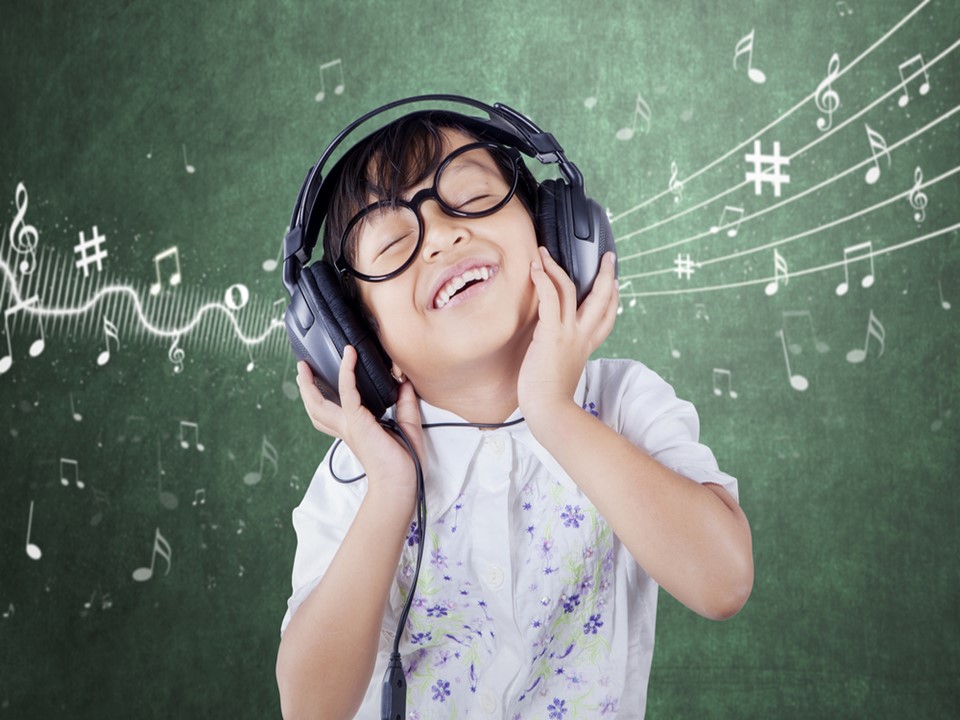
Parents expect their children to learn to speak, and the feeling of their children “opening their mouths” for the first time is something that only parents who have been parents can understand. Parents want their children to start talking as soon as possible and do everything they can to guide their children to speak. While oral training is important for the development of speech, parents should not neglect auditory training because it is an important prerequisite for language training.


Relationship between Auditory Stimulation and Speech Expression

Listening and expression, reception and output, are closely related and complement each other. In the early childhood stage, if a child’s reception is not sufficient, it has a direct impact on the amount of output. I give a more extreme example for analysis. People with hearing impairment have difficulties in speech expression, but this is not due to problems with their oral muscles or related abilities but to the lack of auditory input. Without the verification and comparison of sound content, even though the mouth is developing normally, there is no “inventory” and therefore no “supply”. Therefore, parents should pay attention to whether they are providing their children with adequate auditory stimulation.


Diversified auditory stimulation

Some parents may say, “Of course I know this, and I try to output a lot of sound to my child: I often talk to my child, tell stories, describe my child’s surroundings, etc., and I use different languages to do so. While this is ideal for auditory stimulation, the content is rich but similar in nature – it is all verbal. In fact, auditory reception can be very diverse, and music, for example, is a material that can help improve a child’s language skills. Conversely, parents can learn about their children’s language development by how well they listen to music.


Music is good for language development

From my years of experience in education, I found that children with poor phonetic ability will have more difficulty in learning music and vocal music, such as pitch, rhythm, range, etc. This is actually related to listening and sound composition skills. Among the different types of sounds, music is the ideal language teaching material, except for the human language. There is a wide variety of music, with different rhythms or themes, from which children can broaden their understanding of sound. In addition to its educational value, some soft music can even help to soothe emotions.


Play the harmonica and experience the sound and breathing changes

The same piece of music can feel very different when played by different instruments. This is also good training for your child’s listening sensitivity. In addition to listening to records or playing music files on the computer, it is fun and meaningful for children to get in touch with real instruments and actually play them so that they are more aware of the relationship between different materials and sounds. Harmonica is a good training tool among many musical instruments. When playing the harmonica, children need to exhale through their mouths, thus having the opportunity to experience the changes between sound and breathing. When children play the harmonica, they use their tongues and lips to create sounds that are coordinated with each other, which is an important foundation for the use of the mouth.

Singing children’s songs to learn to speak


In addition to imitating everyday conversations, singing a cute children’s song can have the desired effect of enhancing memory and deepening impressions by using music to carry language. If children can sing along, even if they can’t produce the right sounds at first, they can develop their speaking skills during the imitation process.

A building is built from the ground up, and training in early childhood is very important for children to have good language skills in the future. Through the use of music and musical instruments, children can build a good language foundation in a fun and relaxing way, so parents may want to try it out more often.

Parents Daily 為全港父母提供關於親子育兒、升學的豐富短片和內容,專輯內容包括「有星有Say」、「校長有話兒」等節目。我們以輕鬆活潑的方式為父母們提供培養孩子的資訊,更會邀請幼小校長、名人、資深教育工作者等分享教學、親子心得和實戰經驗,讓父母可以在這裡得到實用資訊之餘,更可認識更多互相分享、互相扶持的同行者。

師牌爸爸:為何爸爸不愛說話

(轉載自「家庭發展基金」師牌爸爸何志滌博士牧師文章)

師牌爸爸:為何爸爸不愛說話 

 從小對爸爸的觀感是比較嚴肅,每當父親在家的時候,總會坐在沙發上,不是看電視,就是看報紙。記得我與師母還在約會的日子,師母第一次見我爸爸,她對我父親的初次印象就是:好像某大銀行的銅獅子,很威嚴卻一句話都不說。我的回應總是:「男性總不喜歡說話,這不也是你對我的評價嗎?我也是受父親影響,不太喜歡說話。」

人所共知男女有別,其中就是男人是難以「一心二用」。當我與師母在其中一個話題上傾談時,她可以突然改變;更特別的是她能邊看電視的同時,也可以跟我溝通。對師母來而言,她都能專心看電視也能跟我溝通,因為女性比男性賦有更高的「多工作業」,相反地我卻感覺她好像是分心。在新婚的時期,這也是產生我們之間衝突的其中一原因,令我感受好像不太尊重。

現今科學昌明,特別當「磁力共振」(MRI)的出現,人的身體內臟和腦部便可一目了言,發現男女腦部結構上的區別,其中就是「胼肢體」和「前連合」。我們都知道人的腦是分左右,而「胼肢體」和「前連合」就如資訊的橋樑,連接左右腦,而男性這兩部分比較小百份之三十左右;若以馬路作比喻,男性是「單行道」、而女性是「多行道」。換言之,男性看電視就是看電視,女性卻可以看電視之餘,還能做飯,也跟人溝通。假如我們了解這樣的不同,夫妻間就能減少產生不必要的衝突。

回看男性為何不愛說話?明白了男女腦部的差別,就知道看電視或報紙的時候,他們只會專注在看電視及報紙上,一定不會說話,這不也成為少說話的原因嗎?另外,當男性在溝通的內容,也同樣地專注於單一題目,倘若突然轉變題目就容易令他不知所措,話題接不下,自然不會說話。

不過,若從另外一個角度來看男性不說話,為何會比較覺得男性說話時帶有權柄?很多時候會有一錘定音的情況,這就是因為男性的專注,對那件事情反覆思量,以致所說的都會經過大腦思考,每句話語都帶出肯定,就會給人有權威性的感覺。

其實,當我們能了解男女這一方面的不同,當遇上較重要的抉擇,女性可以給予多方面的建議、同時男性便專注思考,只要好好的配合,彼此尊重,一起的討論,若有基督信仰,可以加上「禱告」,經過這樣的步驟,作出的決定必不鑄成大錯。

何志滌牧師/博士 Dr. Ho Chi Dik Peter

畢業於加拿大麥基爾大學 (McGill University),後在安省神學研究院 (Ontario Theological Seminary) 獲道學碩士學位,及伯特利神學院 (Bethel Bible Seminary) 教牧學博士學位。

曾任播道神學院和中華神學院特約講師、中國基督教播道會同福堂主任牧師。

現為中國基督教播道會同福堂創堂牧師及同福聖經學院院長,同時亦為基督教靈實協會榮譽靈性關顧主管。

現於「號角月報」和與太太何羅乃萱女士在「天使心」撰寫專欄。

現於香港電台的「三個男人一個墟」擔任客席主持,曾擔任新城數碼財經台的「原味生活館」嘉賓講員。

師牌爸爸:新世代爸爸

最近在網上看到一個調查報告,有關父親在家庭中的責任,結果顯示在三千多問卷中,約九成多的爸爸都承認育兒是身為爸爸的責任和權利、亦對有了小孩感到很滿足,甚至已經願意放棄工作,在家當全職奶爸。近年在日本掀起一股爸爸育兒熱,媒體大力倡導「No Fathering, No Life 」,年輕世代的日本爸爸從傳統的羞於育兒至走向享受育兒之樂。更有組織倡導「爸爸繪本講座」,教導爸爸如何說繪本,還提供「故事爸爸」認證。美國前總統奧巴馬在任時的一個父親節,發表全國性公開演說,當中強調整個社會愈來愈需要好爸爸,才能讓每個孩子的生命更完整。

時代不斷改變,父母的角色也在轉變。過去數十年,外出工作的父母不斷增加。而女性在職場的角色越來越重要,家庭的經濟支柱已經不一定落在男性身上。普遍地女性薪金比男性高。這轉變正正出現所謂「新世代爸爸」。

何謂「新世代爸爸」?這是對「男主外、女主內」傳統觀念的衝擊。作家駱以軍在2014年出版了「小兒子」,對新世代爸爸的描述是「卸下嚴肅的形象,這一代的父親,不再一樣。他們陪伴孩子成長、歡笑、分享生活點滴。」

年代轉變同時帶來爸爸角色的改變,這絕對是一件好事。其實,養兒育女的責任理應是共同承擔,可是能力不一樣,承擔責任也有別,這不應該以性別來作決定。最重要由爸媽一起去教養下一代,確保下一代在安全的環境下成長。

在自己牧會數十年間,女兒成長的過程中,我雖是很少回家吃飯,但由於教會工作較有彈性,故此,每當女兒生病,通常我會帶她看醫生。另外,晚上很少時間在家中的我,為了爭取陪伴女兒的時間,打從幼稚園開始,我特意早起床,與她共進早餐和送她上學,一直維持至她中學畢業、出國留學。感恩女兒沒有拒絕我每天送她上學。我想自己也算是半個「新世代爸爸」。

其實,從過去「爸爸回家吃晚飯」;教會界曾感嘆「這是沒有爸爸的世代」來到「新世代爸爸」,我相信無需作比較,每一代定有其優點,也一定會有不足。由此可見,新世代父親不要全部否定上一代爸爸,反要在差異中嘗試反省,有新世代被興起不表示否定舊世代,而是經驗與責任的傳承。

我常說「一代比一代精彩」,這也是我的信念。若要期望實現,只是雙方存廣闊的心胸,相信一定會是出現雙贏的結果。


何志滌牧師/博士 Dr. Ho Chi Dik Peter

畢業於加拿大麥基爾大學 (McGill University),後在安省神學研究院 (Ontario Theological Seminary) 獲道學碩士學位,及伯特利神學院 (Bethel Bible Seminary) 教牧學博士學位。

曾任播道神學院和中華神學院特約講師、中國基督教播道會同福堂主任牧師。

現為中國基督教播道會同福堂創堂牧師及同福聖經學院院長,同時亦為基督教靈實協會榮譽靈性關顧主管。

現於「號角月報」和與太太何羅乃萱女士在「天使心」撰寫專欄。

現於香港電台的「三個男人一個墟」擔任客席主持,曾擔任新城數碼財經台的「原味生活館」嘉賓講員。