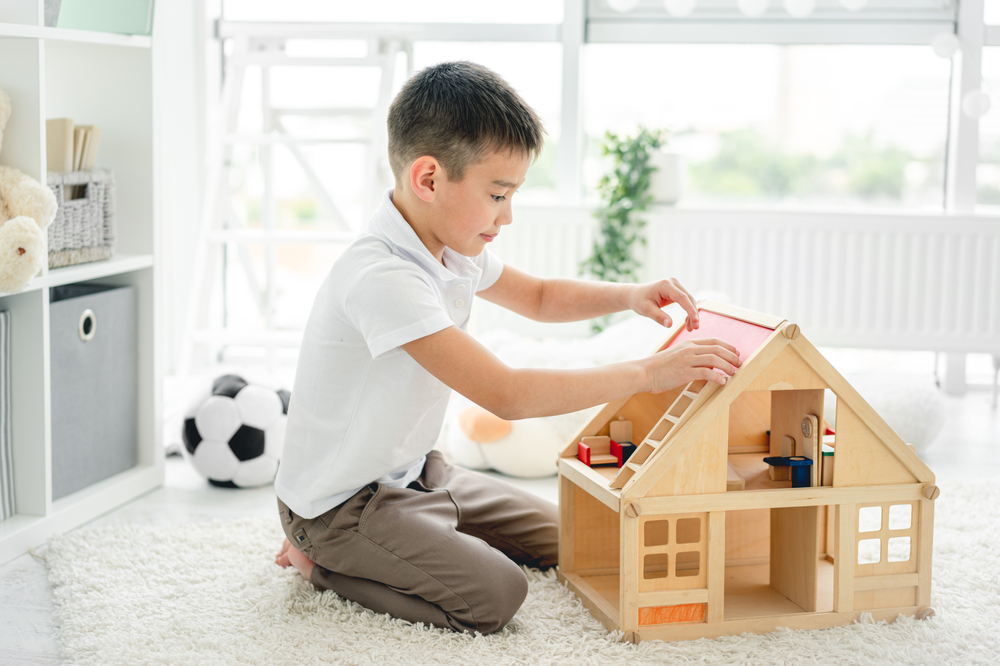
“Is there a problem with a boy playing with “girl” toys if he likes them?”

Source: Children’s Play Therapy Instructor Lai Shun-Mei


Little boy likes princess books and models, and also likes pink.


There are many types of dolls and toys that children like, and many parents may worry that their son likes princesses and pink or worry that their daughter likes to play with toy cars. What is this worry? Do parents really need to worry? We are used to seeing girls wearing pink dresses and hats, but when we see them playing with fire trucks and swords, we feel uneasy. This is actually called “gender role expectations” in psychology.


Gender role expectations refer to the social and cultural expectations that certain genders engage in certain activities. Therefore, it is normal for everyone to have certain gender role expectations for their children. But we need to be aware that if we turn these expectations into innate views of certain types of people, it will be easy to get rid of the differences between people and what makes them unique.


“Gender role stereotyping” means teaching boys and girls how they should act and figuring out their interests and personalities based on their gender. Gender role stereotyping can limit their innate potential for development. If we want to cultivate children who have diverse interests, creativity, and a balanced and healthy personality, we must protect their freedom to explore. We especially need to pay attention to whether they are subjected to verbal bullying from others in society during this exploration process.


Parents may also worry about their children’s gender identity. Gender identity refers to the internal recognition of which gender one belongs and the desire to live and express oneself in that gender. This is a personal cognitive development issue. As children grow older and their brains develop, they learn and recognize more about themselves and society, gradually clarifying their gender identity. The choice of toys and colors alone cannot indicate a child’s gender identity difficulties, as toys do not have gender. Whether they choose to play with cars or dolls, they are expressing their imagination and sharing their stories. Therefore, as parents, we should relax and listen to our children’s emotions, and enjoy the time spent playing with and accompanying them.

Parents Daily 為全港父母提供關於親子育兒、升學的豐富短片和內容,專輯內容包括「有星有Say」、「校長有話兒」等節目。我們以輕鬆活潑的方式為父母們提供培養孩子的資訊,更會邀請幼小校長、名人、資深教育工作者等分享教學、親子心得和實戰經驗,讓父母可以在這裡得到實用資訊之餘,更可認識更多互相分享、互相扶持的同行者。
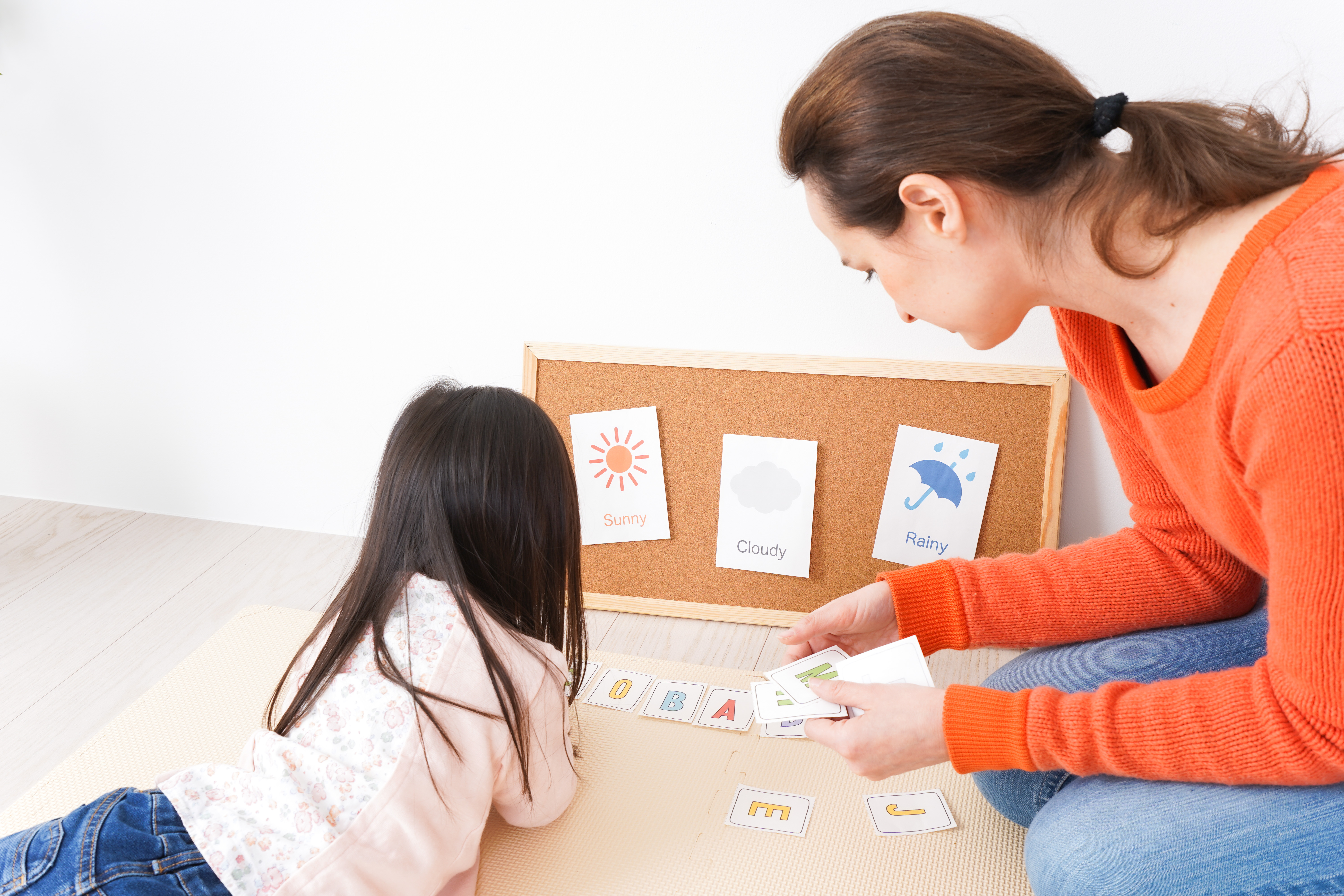
Learn English from games without difficulty

Source: Speech therapist, Miss Carley

 Often, we want children to learn English vocabulary, which may be difficult and boring for them. In fact, parents can try to create some simple games for children to learn these English words through the process of playing.


The first game is called “Covering the Card.” It is similar to the card game we usually play. Parents can write some words that children need to learn on white paper and draw more sheets with laughing faces. How do I play it? To begin, we must mix the cards and distribute them evenly to each player; for example, each parent and child will receive four cards. Then, take turns playing the top card. For example, if this card is drawn, read out the word, explain its meaning, and use the word in a sentence. But if a laughing face is drawn, the player needs to quickly slap the card. If the player is slower, they must take all the cards and keep them in their hands. The player with no cards in their hand wins.


The second game is called “passing three levels.” It is actually similar to the game we usually play, but this time we have pre-written some vocabulary words in the nine squares. Then, we take turns with the child to draw some crosses or circles. For example, if I draw a cross here, I need to read, explain, and make a sentence with the vocabulary word in this square. Then it’s the parent’s turn; they might use a circle, just like in “passing three levels.” The first person to connect three cards in a straight-line win.

The third game is a memory matching game. Parents can write some Chinese characters that children need to learn on white paper and write each character twice. Parents can randomly place pairs of word cards on the table. Then parents can ask the children to take a look and remember them, and then flip the cards over. Parents and children take turns flipping over two cards. If they match, the child is asked to use the word to make a sentence, explain its meaning, and read it out loud.

Parents Daily 為全港父母提供關於親子育兒、升學的豐富短片和內容,專輯內容包括「有星有Say」、「校長有話兒」等節目。我們以輕鬆活潑的方式為父母們提供培養孩子的資訊,更會邀請幼小校長、名人、資深教育工作者等分享教學、親子心得和實戰經驗,讓父母可以在這裡得到實用資訊之餘,更可認識更多互相分享、互相扶持的同行者。

How should parents deal with young children who are overly addicted to cell phone games?

Source: Family Dynamic, Marriage and Family Therapist, and Hypnotherapist, Wong Shi Ming

Phones emit light and sound, which always attracts children to play endlessly. Some children cannot let go of their phones no matter what they are doing, whether it is eating, riding in a car, or going to school. How can parents solve this problem?

First of all, everyone should understand that the children’s reaction is inevitable. Phones can provide a lot of sensory stimulation, and there is no game over. It can be restarted, which gives a sense of accomplishment and can also distance children from the pressure and frustration of parents and school, making them feel invincible. Physiologically speaking, playing electronic games will release a large amount of dopamine in the brain, which excites and stimulates the frontal lobe, and gradually loses self-control. Therefore, many adults cannot control themselves, let alone children?


Children can also be drawn to phones without realizing it, which gives most parents in Hong Kong nightmares today. I see many parents and children caught in a never-ending cycle of struggle and frustration. If not controlled, it not only affects children’s learning but also seriously affects their focus, brain development, health, and eye diseases. Therefore, phone addiction will also be listed as a form of psychological addiction, like alcohol and drugs.


In fact, I have seen a middle school student addicted to playing the mobile game “PUBG,” where he had to pick up items on the ground, some of which could be booby-trapped and explode. What caused him to be hospitalized? He was unable to use his hands to hold objects; instead, he had to touch them lightly, which caused him to feel nervous. He was afraid of using his fingers to pick up things. Therefore, if you discover such a problem, you can handle it early and prevent situations like the one above from happening.

Parents have more experience, wisdom, and resources than their children, and you can’t lose as a parent. Your only weakness is that you love your child too much. You may be too soft-hearted, but you need to know that it’s easy to give but hard to take it back. Therefore, parents should first negotiate a reasonable and feasible plan with their children, such as allowing 30 minutes of playtime per day, but only after they finish their homework.


As for controlling children, parents should first choose an appropriate battlefield, avoiding public places, and the best place is at home. Even when taking the phone away, parents should try to avoid physical contact, such as snatching or unplugging the phone cord, which could harm the relationship with their child. Parents should first use a gentle and affirmative tone to warn their child multiple times. If the child still refuses to hand over the phone, remind him of the consequences he agreed to, and eventually, when he falls asleep, you will be able to retrieve it. But parents must firmly execute the consequences without any room for negotiation, even if it means resorting to negative strategies.

To provide a more positive approach, parents can offer opportunities for their children to engage in outdoor activities together and create a family environment that gives children options, a sense of achievement, and a chance to start over, building their confidence and abilities, all of which can help attract children away from their phones.

Finally, many parents worry that if their child doesn’t have a phone while other children do, it could lead to feelings of inadequacy and concerns about falling behind in their development. So, I know it’s not possible to keep kids away from phones completely, but I think parents should try to keep their kids away from phones for as long as possible, especially when they’re young.

At the same time, parents should be careful and not take this issue lightly. With enough creativity and interaction with their children and by remaining persistent, parents can change their children’s habits.

Parents Daily 為全港父母提供關於親子育兒、升學的豐富短片和內容,專輯內容包括「有星有Say」、「校長有話兒」等節目。我們以輕鬆活潑的方式為父母們提供培養孩子的資訊,更會邀請幼小校長、名人、資深教育工作者等分享教學、親子心得和實戰經驗,讓父母可以在這裡得到實用資訊之餘,更可認識更多互相分享、互相扶持的同行者。

Why don’t children want to do homework ?

Source:
Senior Parenting Education Expert, Bally

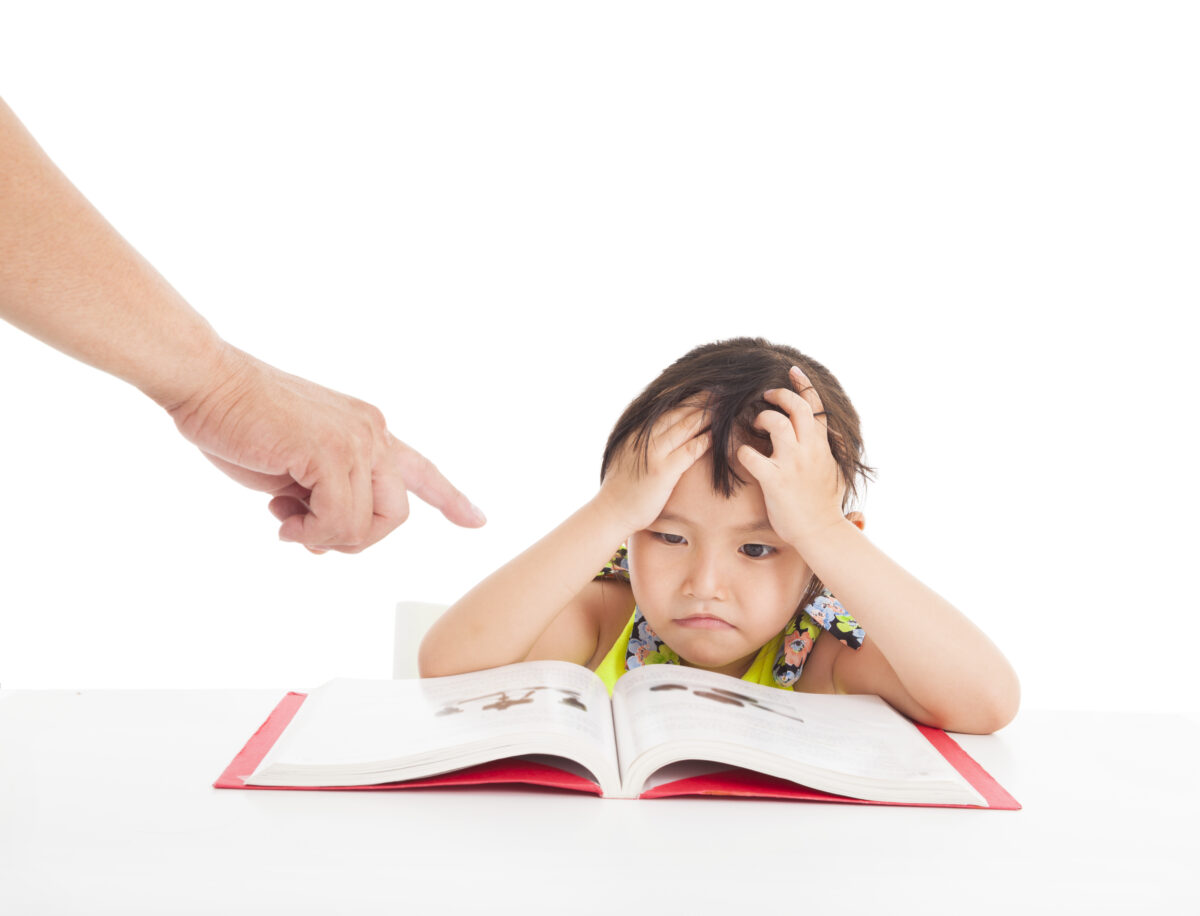
 After school every day, asking children to sit down and do homework is like sending them to war. Usually, there are several reasons why children do not like or do not want to do their homework. How can parents help their children?

First, they really do not know how to do it. How can we tell if they really don’t know how to do it? I have found that many children go home and find that 80% of the homework requires parent guidance, so they can’t handle it on their own and naturally wait for their parents to come home. From the parents’ perspective, they will feel that their children do not want to do homework.

Second, the child actually understands how to do the homework 80% of the time, but they actually want their parents to accompany them, so they will fight for time with their parents. Once the parents are together, they pretend not to understand. In fact, they are not trying not to understand but are unconsciously hoping for their parents to accompany them and do homework together.


Third, they may be too tired. The parents may not have given the children a proper schedule, causing them to do homework in an unfavorable state, which is why they don’t want to do it.


If the child does not understand how to do the homework at first, the parents should communicate effectively with the school. If the school is willing to adjust the level of homework to suit the child, the parents won’t have to worry about the level difference. If the child doesn’t like doing homework, over time they will dislike going to school and eventually lose motivation to learn. Therefore, we must communicate with the school to see if they can give him some easier homework so that the child can enjoy the process of doing homework.

If the school is unable to cooperate, then the parents need to think about how to guide from the sidelines. Let the child gradually take some courses that start from easy to difficult on weekends, or give some words that the child can recognize, or through some games, let the child understand and slowly enjoy doing homework.

In fact, the biggest concern in the education sector is that students have already resisted learning, resisting going to school, and resisting doing homework. So we must seriously face the reasons why children are unwilling to do homework. Some children love to stick with their parents, but what do most parents do with their children when they get home now in our society? It’s doing homework; this is their only parent-child time. If the only parent-child time is not good or pleasant, it will cause many problems in the family or marriage.


If the child does not want to do homework and just wants to wait for the parents, the parents can play with and accompany the child while doing homework. You can read a book or do something similar to homework near the child, such as bringing work home to do, to make the child feel like you are accompanying them and both of you are doing something.

A worrying situation is when many parents say, “Okay, you do it; I’ll be here,” but in reality, they are watching TV, using their phone, or playing games. This makes the child feel that you are not really accompanying them and that you are not doing the same thing. Even if the child knows how to do most of it, it is preferable for the parent to spend some time watching him or her do it rather than doing something else. Continuously complimenting him/her while watching: “Good job; you can really do it!” gives more praise, which is the best approach.

If the child reaches the end of the K3 school term, they have already grown up and are quite independent. Parents may believe, “They are so big now, I shouldn’t go with them to do their homework anymore.” But in reality, parents should have a schedule in place for their children to follow from a young age. For example, when the child comes home from school, they need to take a break, have a snack, and play for a while. After maybe half an hour or 45 minutes, it’s time for homework.

In K1 and K2, parents can accompany their child while they do homework. But when they reach K3, parents can use a reward system. For example, “If I come home from work today and see that you have finished your homework, I will give you a sticker.” “If you are well-behaved and take a bath after finishing your homework, I will give you another sticker.” Give the child a schedule to follow and reward them with stars or hearts for each sticker they earn. On the child’s schedule, if they accumulate enough stars in a week, the mother should make some promises, such as going to the park. The rewards are best for parent-child activities, not toys, gifts, or candy.

Parents Daily 為全港父母提供關於親子育兒、升學的豐富短片和內容,專輯內容包括「有星有Say」、「校長有話兒」等節目。我們以輕鬆活潑的方式為父母們提供培養孩子的資訊,更會邀請幼小校長、名人、資深教育工作者等分享教學、親子心得和實戰經驗,讓父母可以在這裡得到實用資訊之餘,更可認識更多互相分享、互相扶持的同行者。

Categories
Parents Zone Parents Zone Parents Zone Parents Zone Parents Zone Parents Zone Parents Zone Parents Zone Parents Zone

What constitutes a language development delay in a child?

Source: Speech
Therapist,
Mok Yee Tuen

 Typically, babies start making sounds as soon as they are born, such as different crying sounds to express their demands. From 4 to 8 months, they start babbling, which is part of the language preparation period. Children actually go through a ladder of language development, starting with just learning single words and ending with being able to tell stories with their words.

Babies from 9 months to 1 year generally start producing their first meaningful word, such as “ba,”  “ma,” or “ball ball.” From 1 to 2 years old, their understanding and vocabulary expression increase greatly, with the accumulation of single words forming two-word phrases, such as “mommy drink” and “eat bun bun.”


From 2 to 3 years old, children generally speak in longer sentences and can express different needs. For example, they like to add a word to the two-word phrases, forming three-word combinations, such as “Daddy eat bun” and “I want grandma.” Some children start using adjectives, such as “sister eats a big apple.”


Young children generally recognize more different sentences and start using conjunctions after 3 and a half years old, and by 5 years old, they slowly understand how to combine different sentences and use more conjunctions and start to narrate things logically, that is, by telling stories.

In fact, the language development of young children is slightly different for each person, but through empirical research, we also have some important reference indicators to see if a child may have a speech delay.

The first is that there are no words at 2 years old.

Second, no sentences appear before the age of three.

The third is that speech is unclear and hard to understand after 3 years old,

Fourth, sentences are still unclear after 5 years old.

If the child is not speaking more and more as they grow, parents should seek the help of a professional to assess and train them as soon as possible.

Parents Daily 為全港父母提供關於親子育兒、升學的豐富短片和內容,專輯內容包括「有星有Say」、「校長有話兒」等節目。我們以輕鬆活潑的方式為父母們提供培養孩子的資訊,更會邀請幼小校長、名人、資深教育工作者等分享教學、親子心得和實戰經驗,讓父母可以在這裡得到實用資訊之餘,更可認識更多互相分享、互相扶持的同行者。

Children often shirk their responsibilities, and parents should be held accountable?

Source: Psychotherapist, Lee Wai Tong

 Whenever something happens, children will use different excuses to shirk their responsibility toward others. Parents may then scold the child for this, but this may make the child avoid taking responsibility. Faced with this situation, what can parents do?

First of all, when parents ask children, “Why didn’t you finish the work?” or “Why don’t you understand?” Parents want their children to take responsibility. But at this time, the child will want to shirk the responsibility and give it to someone else, but at the end of the day, the parents actually want the child to take responsibility. You should know that responsibility starts with the child having the time to make decisions because having the time is called having a sense of autonomy. If children can have a sense of autonomy, they will be more likely to be responsible.

For example, if he does not know how to do his homework and is asked why he does not understand, he will say that the teacher did not teach him, the teacher did not teach him well, or that the other students were noisy. At that moment, if parents continue to say that he is not concentrating in class, they will only make the child throw the responsibility further away. So at this point, we need to know how to do better since we are facing difficulties and then work with the child to figure out how to do it.


The child will feel responsible for doing a good job, so naturally he will put the responsibility back on himself and let himself do it. And when children can do things on their own, they will be more willing to take responsibility. This is why I always say that the most important thing for parents is not to be accountable because accountability only teaches children to unload their responsibilities, while we can help our children take responsibility and accomplish things together. This is the most important lesson we often teach our children about responsibility.

Parents Daily 為全港父母提供關於親子育兒、升學的豐富短片和內容,專輯內容包括「有星有Say」、「校長有話兒」等節目。我們以輕鬆活潑的方式為父母們提供培養孩子的資訊,更會邀請幼小校長、名人、資深教育工作者等分享教學、親子心得和實戰經驗,讓父母可以在這裡得到實用資訊之餘,更可認識更多互相分享、互相扶持的同行者。

Four behaviors that damage the parent-child relationship

Source: Senior Parenting Espert, Bally

Many parents often ask, “Why is the child so disobedient?” “Why does he hate me so much?” or “He is ignoring me more and more.” In fact, there are four types of behaviors that, over time, will cause our children to despise themselves. Many of the parents that I have met in my day-to-day life often unconsciously say or do things that make their children hate themselves. This is what parents do not notice.

First, comparison. We frequently ask children, “Why are you like this?” “Your younger brother is not like you; he is very neat,” and “look at the students next to me; they listen to their parents. “When we often express ourselves in a “comparison” manner, children will feel disgusted when they hear their mother’s voice.


Secondly, when children do something wrong, parents often overlook the motives behind their behavior. When we find out that a child is doing something wrong, we should first understand what the child is trying to accomplish with the behavior. Do not rule out that they are trying to do something right. Maybe he wants to pour a glass of water for his parents or his brother, or he is not doing his homework well, but in fact, he is doing his best and is just mentally tired.


When he is not doing well, we can first praise his behavior by saying, “Thanks; I know you are nice and want to pour water for us, but don’t spill water again.” “It’s dangerous,” or “Don’t walk so fast.” After we praise the child, he will understand that he is doing the right thing, and then he will listen to his parent’s advice and improve.


Third, parents should pay attention to the end of the day if, in fact, they are full of negative energy and bring emotions into the home. When parents see that their children are not behaving in a satisfactory manner, they may take out their emotions on them in a series of ways. This is not fair to the child, who may have made only a few mistakes but is being blamed for a series of them.

Fourth, parents should be very careful that expressions of anger will misinform their children with inaccurate information. For example, “If you do this, you might not be my son.” When we mistakenly use such an aggressive word, it can be very harmful to the child.

Parents should never commit these four behaviors while children are growing up, or they will hate their parents from an early age.

Parents Daily 為全港父母提供關於親子育兒、升學的豐富短片和內容,專輯內容包括「有星有Say」、「校長有話兒」等節目。我們以輕鬆活潑的方式為父母們提供培養孩子的資訊,更會邀請幼小校長、名人、資深教育工作者等分享教學、親子心得和實戰經驗,讓父母可以在這裡得到實用資訊之餘,更可認識更多互相分享、互相扶持的同行者。

Thousands of lies to avoid doing homework. What should parents do?

Written by: Family Dynamics, Psychological Counselor, Lai Shun Mei

Every time a child does homework, he or she falsely claims to have a stomachache, to go to the bathroom, or to go to sleep—thousands of lies and excuses. Parents who value character development are naturally outraged because they have zero tolerance for dishonesty in their children. But why do children always avoid doing their homework? Why do they have to lie to cover it up?


Often, children avoid doing homework not because they don’t want to, but because they can’t. Children want to be good and smart, but when they find out they can’t do their homework, they think they are not smart enough. When they find out they can’t do their homework, they think they are not smart enough. They can’t accept this and will lie to cover it up and avoid it. Generally speaking, children with normal intelligence but learning disabilities will have their academic performance affected to some degree, but they can perform well in other areas as well. Regardless of their intelligence level, with the right approach and the right amount of training, they will be able to develop the appropriate skills.


But why do people tell lies? When a person feels that he or she is in an uncomfortable situation, he or she will activate the defense mechanism to protect himself or herself. Lying is one of the ways to escape a crisis. If parents want to help their children, they need to give them the courage to tell the truth so that they can understand what their children really don’t understand.


How do you get your child to be brave enough to tell the truth? You need to let your child know that even if he or she is not smart enough, you will still love him or her so much, take pleasure in him or her, be patient with him or her, and work together to help him or her solve their problems, thus building his or her sense of security and giving him or her the peace of mind to reveal his or her innermost doubts and difficulties. But on the contrary, if his experience makes him think that he is not smart enough, which will lead to his mother’s anger and complaints, he will not dare to tell the truth and even activate his self-protection mechanism to protect himself with lies that adults can uncover at first glance.

Not only will the child be unable to protect himself, but he will also get into more trouble because the mother will be rehabilitated and will admit her fault and promise not to lie again. But in fact, his homework difficulties are not solved, creating a vicious cycle. Therefore, we encourage parents to learn to accept their children’s shortcomings so that they will have confidence in you and feel safe to open up to you.

Parents Daily 為全港父母提供關於親子育兒、升學的豐富短片和內容,專輯內容包括「有星有Say」、「校長有話兒」等節目。我們以輕鬆活潑的方式為父母們提供培養孩子的資訊,更會邀請幼小校長、名人、資深教育工作者等分享教學、親子心得和實戰經驗,讓父母可以在這裡得到實用資訊之餘,更可認識更多互相分享、互相扶持的同行者。
Categories
Parents Zone

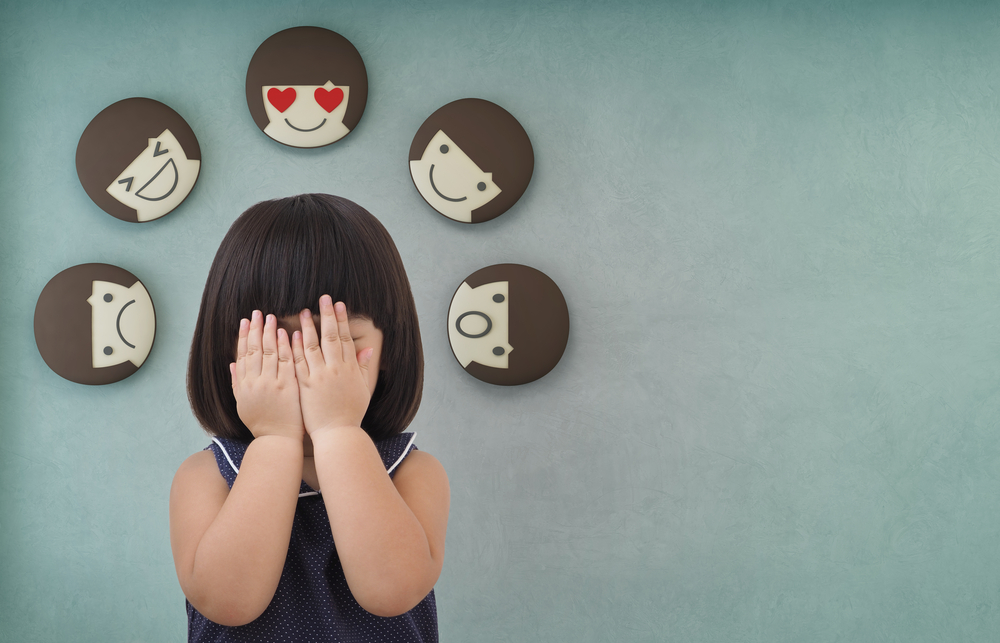
3 big tricks to let young children know the emotions & improve their social skills

Written by: Speech Therapist Mother, Miss Carley

Since children are only about two or three years old, their knowledge of the world will become deeper and deeper, teaching them to understand emotions can help them express their feelings and encourage them to put themselves in the position of understanding the feelings of others, thereby enhancing their social skills.

Tip 1: Parents and children watch cartoons together


Parents can watch more cartoons with their children. Often, the expressions of the characters in these cartoons are exaggerated so that children can identify the emotions and feelings of the characters and ask them about their reasons and solutions. Parents and children watching stories and the storytelling process, in fact, can also ask children to replace the characters in the story and think about what they feel.


For example, in the story of the three little pigs, parents can ask their children, “If you are a little pig and your house is blown down, how would you feel?” If you were the big pig and your house was not blown down, how would you feel? This allows them to put themselves in other people’s shoes more often.

Tip 2: Put yourself in their shoes

In daily life, parents can also try to grasp the opportunity to let their children know that their behavior will affect the feelings of others. For example, when a child does something bad or misbehaves, ask him, “What do you think about mommy’s emotions right now? It turns out that mommy is angry, so they know that their behaviors affect others.

Tip 3: Ask your child to keep a diary of daily events


Parents can also try to ask their children to draw or write down the events of each day in a diary, and how they feel about themselves or others, to deepen their emotional awareness.

Further, parents can teach their children that there are different levels of feelings and emotions. For example, happy can be a little happy, very happy, or super happy. Parents can also play simple games with their children, such as asking them at a theme park, “Are you a little happy, very happy, or super happy?” If you are a little happy, take one step; if you are very happy, take two steps; and if you are super happy, take three steps. Let the children know more about these emotions.

Parents Daily 為全港父母提供關於親子育兒、升學的豐富短片和內容,專輯內容包括「有星有Say」、「校長有話兒」等節目。我們以輕鬆活潑的方式為父母們提供培養孩子的資訊,更會邀請幼小校長、名人、資深教育工作者等分享教學、親子心得和實戰經驗,讓父母可以在這裡得到實用資訊之餘,更可認識更多互相分享、互相扶持的同行者。

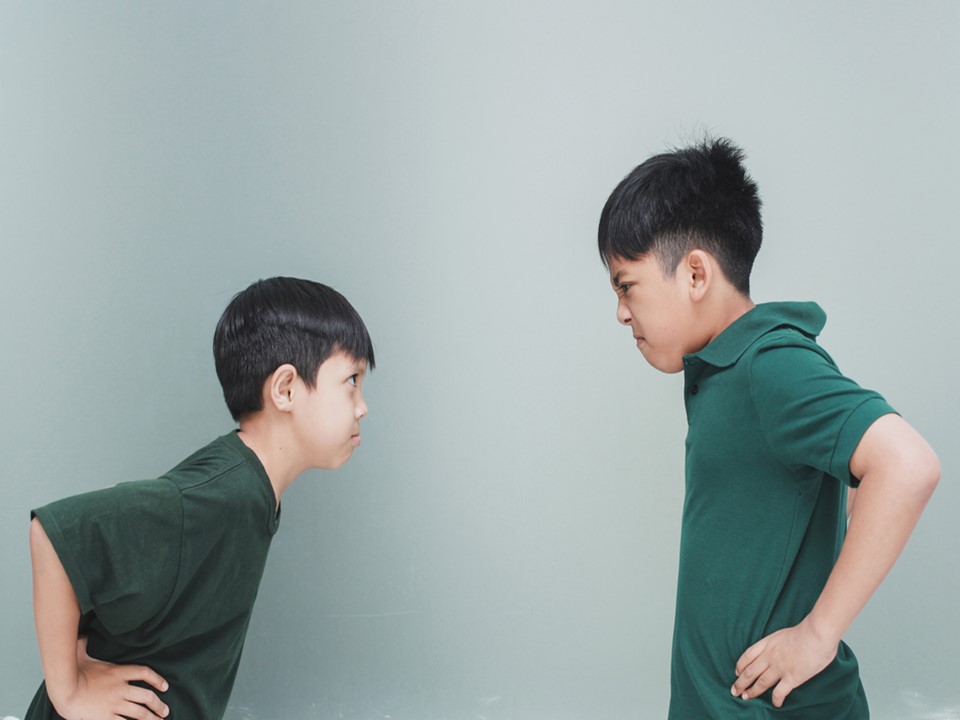
Siblings often quarrel with each other and the role of parents is especially important.

Written by : Founder of Family Dynamics

                     Marriage and Family Therapist

                     Children Play Therapist          

Ng Yee Kam


In recent play therapy cases, several of the children’s emotional problems were related to their young siblings’ relationship. Most of these problems were not caused by major arguments, but rather by subtle interactions in which each child was seeking the mother’s attention, comparing how much positive feedback they received from each other, and comparing who the mother “loved” more! Children often fight with each other because they are jealous of their siblings and take the opportunity to vent their frustrations.


It is true that everyone is “biased” and so are parents. Both inborn and nurtured personalities can lead to a preference for certain behaviors and behavioral patterns. If parents do not think about this, they will not suddenly become more open-minded because their children are their own.


Parents may be more appreciative of certain traits and more resistant to certain traits in their children’s different personalities. This is understandable. The problem is that parents must be aware of this situation and be aware of it and allow themselves to grow beyond the narrow framework of their parental role, increase the breadth and width of their own vision, learn to appreciate the differences in their children’s personalities, and appreciate their children’s unique strengths from the bottom of their hearts, and pass them on in their daily lives so that their children can receive them and affirm themselves. This will prevent the problem of sibling rivalry from worsening and causing unnecessary jealousy and suspicion in children.


The mother’s role is especially important during the early years of a child’s life because the quality of the mother’s interaction with the child has a critical impact on the child’s self-worth and sense of security. In these recent cases, it was not uncommon to find that the children had a sibling in the family who was cheerful, understanding, and liked to express herself, and was well liked by adults and teachers. I could see the mother’s joy and pride when describing her child. No wonder the children in these cases often felt compared to the others because they were more introverted, reticent, shy and cautious.


One mother was aware of the need to appreciate her son’s abilities, so she kept praising him, but in terms of character, she inadvertently encouraged her son to follow her sister’s example by expressing himself more and integrating into the group. However, this is not the nature of the child’s character and makes the child suspect that there must be something wrong with his or her character that cannot be accepted by the mother. This internal pain can easily turn into jealous emotions towards the elder sister, making the parents feel that the child’s attitude towards his/her sister is unreasonable, and further preventing the child from breaking out of this negative cycle.

I suggest that parents should not compare their children. For children who are more introverted, shy, reticent and cautious, they should be more reassuring: “ You do not need to force yourself to play with children like your brother, you quietly observe is already a kind of participation, when you feel at ease then go out to play is not too late. Or, “Not every child needs to be as talkative as their elder sister or like to perform in front of people; Mom likes it when you can express yourself as you see fit. “

For children who are more reactive and impulsive, listen to them first and then help them correct their behavior if it is safe to do so: “You are reacting so strongly to hit your brother, you must feel very angry inside, let me hear how you feel, okay? Sometimes parents do have to deal with their children “fighting for something,” but more often than not, what parents need to do is to meet their children’s psychological and emotional needs and affirm their true nature, so that their children can naturally get along well.

Parents Daily 為全港父母提供關於親子育兒、升學的豐富短片和內容,專輯內容包括「有星有Say」、「校長有話兒」等節目。我們以輕鬆活潑的方式為父母們提供培養孩子的資訊,更會邀請幼小校長、名人、資深教育工作者等分享教學、親子心得和實戰經驗,讓父母可以在這裡得到實用資訊之餘,更可認識更多互相分享、互相扶持的同行者。